
Business
How to Start a Water Supply Business: Purification, Packaging & Profits

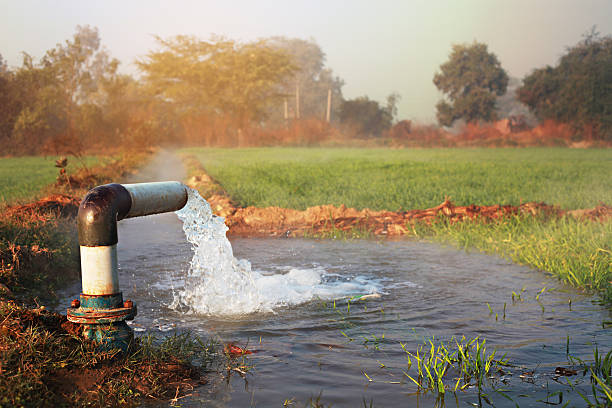
Such an entrepreneurial venture as a business of water supply may prove to be extremely profitable, particularly in areas where the clean drinking water is required in large amounts. As more people get to be aware of health and hygiene, more individuals are shifting to purified bottled water as their source of hydration. If you are unsure as to how to start a water business, this article gives you a complete guidance that includes methods of purification, packaging ideas, how to make profits out of the business and essential steps of starting your business. With a well-calibrated business plan and the use of modern technology in purification, you can create a brand that can be sustainable in this prospering industry.
Getting a clear insight on the Market Demand of clean drinking water
The bottled water industry keeps on expanding at a fast rate as a result of increased concerns in their health coupled with urbanization and scarcity of portable tap water in most areas. There is increased consciousness of people concerning the quality of water, hence the increased demand for mineral water, RO purified water, and alkaline water products. For this reason, there is a great opportunity for the small as well as the large scale investors to invest in the water supply business. Regardless of whether you aim at households, offices or retail chains, there is a large market segment waiting for your product, as long as it complies with the regulations and if consistently good in quality.
Water Purification in Your Business Model is Important.
The secret of any successful water business is in purification system. Water purification is not only a mandatory process but is a key element that makes your product the way it is, guarantees trust to your consumers. The most popular techniques of purification include Reverse Osmosis (RO), UV ( Ultraviolet) as well as activated carbon filtering. These systems are all meant to clean the contaminants, bacteria, and heavy metals, and other harmful substances from raw sources of water, such as bore wells, rivers, or municipal supply.
The type of purification technology you settle for will depend on the quality of your raw water as well as the type of water you want to put out – distilled, mineral, alkaline, or RO purified water. A multi stage purification process, which is integrated to your process, guarantees that you can have a marketable product, not only safe but also government approved for potable water. In addition, there are periodic water quality testing and certification and this will help build a brand credibility as well as ensure satisfaction from the consumer side.
Installing the Bottling and Packaging Unit of Water.
After purification, the next important aspect that is required is the packaging process. Packaging of the drinking water is of paramount importance in the attraction of the clients and maintenance of the product’s integrity. The hygienic aspect, automation, and compliance with the local food and safety regulations are what you should consider for your packaging unit. Sales of the bottled water may be done in different forms, for example, 200 ml pouches, 500 ml bottles, 1 litres bottles and huge 20 litres jars for commercial use.
Polyethylene terephthalate or PET bottles are the commonly used package material owing to their long-lasting property, clarity, and recyclability. Purchase of a good-quality bottling machine ensures that water supplied is not contaminated and then sealed efficiently. Branding your bottles professionally is also an issue to be considered- logos, labels, batch numbers and expiry dates should be printed clearly in order to earn customers’ trust as well as being in line with the health standards.
Requirement of Law and Regulations in the Inception of Water Business
In order to start your water supply business, you must have all the licenses and certifications required. These may be such as business registration, a trade license, pollution control certificate, FSSAI license (India) and a BIS (Bureau of Indian Standards) certification for packaged drinking water. Water safety norms on the national and municipal levels are obligatory for you to guarantee the viability of your operation.
Furthermore, the health departments can conduct audits and inspections on regular basis, therefore, it is important to retain the records and follow the hygienic practices. This will involve establishing a water testing laboratory or taking the services outside the firm, with an aim of monitoring the chemical and microbial safety of your water on a regular basis.
Entering into Raw Water Supply Management and Sourcing contract.
The water business that you are going to start will require you to have a constant and dependable supply of raw water. Based on your location, you can make use of municipal water, borewells, or even rivers, however, you have to make sure that the source is not a drain on the local resources. Water sourcing should be environmentally friendly and if required then permission has to be taken from local authorities.
In the regions where there is scarcity of water, it is wise to ensure that one carries out hydrogeological survey before the drilling of the borewell or utilizing a natural water body. Water source sustainability will have nothing to do with your smooth running of the business; it will have to do with the public perception and the regulatory approval.
Marketing Your Water Brand Effectively
There are branches of knowledge that are necessary for turning your water business into a profitable one and they include branding and marketing. Where there is local and national brands in the markets, differentiation becomes the success of any organization. Purity, health and reliability are the things your brand should be known for. The message that your brand uses can be very clear and convincing, and your packaging design always maintained the same if you want to establish your brand at the hearts of consumers.
Some of the best ways for you to increase your market penetration includes digital marketing, social media outreach, and collaborations with the local retailers as well as distributors. Collaborating with corporate offices, events, educational institutions, and food service providers can also increase the bulk sales as well as increase the visibility of the brand. Make sure you market your water in a manner that focuses on the health benefit and safety standards that your water complies to.
Cost Estimations and Profit Margins’ Calculations
It is important to know your startup costs when you are trying to learn how to start a water business. Start-up normally entails installations for purification system, packaging machines, facilities, license, workforce, and advertisement. Operating expenses include electricity, water testing, packaging material, and transportation, salaries.
In as much as this incurs high costs, it is known that the bottled water business thrives in high-profit margins, especially when you do it at scale. By enhancing the operations and optimizing the logistics, your COPEL also reduces thus increasing your profitability. Having reusable jar services for offices and subscription models for households can bring in options of recurring revenue streams.
In the Water Business Issues and Risk Management
Though the water business has a high potential, it is accompanied by threats. These entail the need to ensure that water quality is kept constant, seasonal water shortage to attend to, machinery upkeep and cut-throat competition. A proactive solution to these challenges by the use of proper planning, backup systems, and quality control measures can help to have a smooth running.
Another possible risk emanates from the public thinking. One disgraceful incident or slaugherous review of hygiene can spoil your reputation. Therefore, transparency, audits, and outstanding customer services should be your business culture.
Building a Scalable Business Model
When your initial set up is stable and it’s profitable, you can think of scaling your water business. Spreading to other geographical areas, introduction of more lines like flavored water or electrolyte enhanced water lines, and penetration into the institutional supply chain can grow your business to the next step. It is also worth considering that you franchise your brand or white-label it for other businesses.
Integrating inventory and customer relationship management (CRM) system, using automation, and investing in logistics can be your efficiency boosters as you scale. It is how to stay quality and consistent even if the business grows.
Conclusion: The Process of Making a Successful Business Out of Purified Water
The task of delivering water to people should not be treated as a purely commercial proposition just like any other business of providing any other services. It is an opportunity of having a positive impact on public health. If entrepreneur focuses on purification, proper packaging, compliance to regulations and proper branding, an entrepreneur can make a trusted brand in the competition firm of bottled water. The business does not only become financially rewarding in the process but socially meaningful as well.
If you are keen to learn how can you start a water business, it is the right moment when you should plunge into this much demanded industry. Just keep it in mind, quality and trust are building blocks of long time prosperity in this industry.

Starting a hotel is a big dream for many people in India. It offers a chance to welcome guests and create wonderful memories for them. If you are wondering how to start a hotel business, you are in the right place. This guide will give you a clear, step-by-step plan. We will cover everything from making a business plan to opening your doors to the first guest. With careful planning and hard work, you can turn your dream into a successful business.
Understanding the Indian Hotel Industry
The hotel industry in India is growing fast. More people are traveling for work and holidays. This means there is a big demand for good hotels. The market has many types of hotels, from simple guesthouses to fancy luxury resorts.
Before you start, it is important to know about the different kinds of hotels.
- Budget Hotels: These offer basic rooms at low prices. They are popular with backpackers and travelers who need a simple place to sleep.
- Boutique Hotels: These are smaller hotels, usually with 10 to 100 rooms. They have a unique style and offer a personal experience.
- Business Hotels: Located in city centers or near airports, these hotels serve business travelers. They have facilities like meeting rooms and fast internet.
- Resorts: These are often located in tourist spots like beaches or mountains. They offer many activities and are designed for relaxation and fun.
- Heritage Hotels: Old forts, palaces, and havelis are turned into hotels. They offer a unique cultural experience.
Think about which type of hotel you want to open. Your choice will affect your budget, location, and the kind of guests you attract.
How to Start a Hotel Business: Your Step-by-Step Plan
Building a hotel from scratch takes time and effort. Following a clear plan can make the process much smoother.
Step 1: Create a Solid Business Plan
A business plan is your roadmap to success. It helps you think through every part of your hotel business. It is also needed if you want to get a loan from a bank.
Your business plan should include:
- Executive Summary: A short overview of your entire plan.
- Company Description: Details about your hotel, its mission, and what makes it special.
- Market Analysis: Research on the hotel industry in your chosen area. Who are your competitors? What are they doing right and wrong?
- Services Offered: A list of all services you will provide, such as rooms, food, and other amenities.
- Management Plan: Who will run the hotel? What experience do they have?
- Marketing and Sales Strategy: How will you attract guests? This includes online marketing, advertising, and promotions.
- Financial Plan: This is a very important section. It should estimate your startup costs, daily operational costs, and how much money you expect to make.
Step 2: Arrange Your Finances
Starting a hotel requires a lot of money. You need to figure out your total startup cost. This includes the cost of land, construction, furniture, licenses, and initial marketing.
Here are some ways to get funding:
- Personal Savings: Using your own money shows you are serious about the business.
- Bank Loans: Many banks in India offer loans for new businesses. You will need a strong business plan to get approved.
- Investors: You can find partners or investors who are willing to put money into your business in return for a share of the profits.
- Government Schemes: The Indian government sometimes has schemes to support new businesses in the tourism sector. Check for programs like the Startup India initiative.
Step 3: Choose the Perfect Location
The location of your hotel is one of the most important factors for success. A good location can bring you a steady stream of guests.
Things to consider when choosing a location:
- Visibility and Accessibility: Is the location easy to find and reach by road, rail, or air?
- Target Audience: Choose a location that fits your target guests. For a business hotel, a spot near a corporate hub is good. For a resort, a scenic location is better.
- Competition: Look at other hotels nearby. Is there too much competition, or is there a gap in the market that you can fill?
- Local Attractions: Being near tourist spots, shopping areas, or restaurants can be a big advantage.
Step 4: Get All Necessary Licenses and Permits
Running a hotel in India requires many licenses. The rules can be complex, and it is important to follow them all to avoid legal trouble.
Some of the key licenses you will need are:
- Building Permit: Needed before you start construction.
- Hotel Project Approval: From the Ministry of Tourism.
- Business Registration: Registering your hotel as a company.
- FSSAI Food License: If you have a restaurant or serve food.
- Health/Trade License: From the local health department.
- Liquor License: If you plan to serve alcohol.
- Fire Safety Permit: To ensure your building is safe from fire hazards.
- GST Registration: For tax purposes.
This process can take time, so it is best to start early. You may want to hire a consultant to help you with the paperwork.
Step 5: Design, Construction, and Staffing
Once the legal work is in order, you can focus on building your hotel.
Designing Your Hotel
The design should match your hotel’s type and brand. A luxury hotel will have a different look and feel than a budget hotel. Think about the guest experience. The layout of the rooms, lobby, and other areas should be comfortable and practical.
Construction
Hire a reliable contractor to build your hotel. Make sure the construction follows all the building codes and safety standards.
Hiring Staff
Your staff will be the face of your hotel. Hire people who are friendly, helpful, and professional. You will need staff for different departments:
- Front Desk: To welcome guests and handle check-ins.
- Housekeeping: To keep the rooms and common areas clean.
- Kitchen and Restaurant: Chefs, waiters, and kitchen staff.
- Management: A hotel manager to oversee all operations.
- Maintenance: To fix any technical issues.
Provide good training to your staff so they can offer excellent service to your guests.
Step 6: Marketing and Grand Opening
Before you open, you need to create excitement and let people know about your new hotel.
- Create a Website: Your website is your online brochure. It should have beautiful photos, information about your rooms and services, and an easy-to-use booking system.
- Use Social Media: Create pages on platforms like Instagram and Facebook. Share updates, photos, and special offers.
- Partner with Online Travel Agencies (OTAs): List your hotel on sites like MakeMyTrip, Goibibo, and Booking.com. This will help you reach a wider audience.
- Plan a Grand Opening: Host an event for local media, travel agents, and potential guests to launch your hotel.
Conclusion: Building Your Dream Hotel
Knowing how to start a hotel business is the first step on an exciting journey. It requires a lot of planning, money, and hard work. By creating a strong business plan, securing your finances, choosing the right location, and getting all the necessary licenses, you set yourself up for success. Remember that great service is what makes guests return. Focus on creating a welcoming and comfortable experience, and your hotel business will thrive.
Frequently Asked Questions (FAQs)
1. How much money do I need to start a small hotel in India?
The cost can vary a lot based on location and size. A small budget hotel or guesthouse in a smaller city might cost between ₹50 lakhs and ₹2 crores. A larger or more upscale hotel in a major city can cost much more.
2. How long does it take to get all the hotel licenses in India?
The process can be long and complex. It can take anywhere from 6 months to over a year to get all the required licenses and permits, depending on the state and city.
3. Is it better to build a new hotel or buy an existing one?
Both options have pros and cons. Building a new hotel gives you full control over the design and brand, but it takes more time and money. Buying an existing hotel is faster, but you might need to spend money on renovations and rebranding.
4. How can I market my new hotel with a small budget?
Focus on digital marketing. Create a good website with a booking engine, use social media to connect with potential guests, and get listed on online travel agencies (OTAs). Encouraging happy guests to leave online reviews is also a powerful and free marketing tool.
5. What is the most important thing for a hotel’s success?
Excellent guest service is the most important factor. A clean room, a comfortable bed, and a good location are essential, but friendly and helpful staff who make guests feel valued will create loyal customers and positive reviews.

Are you dreaming of leaving the 9-to-5 grind? Many people today are looking for ways to earn money without leaving their house. Learning how to start a trading business from home is one of the most popular options. It offers freedom, potential for high income, and the comfort of working in your pajamas. However, it is not a get-rich-quick scheme. It requires serious planning, the right tools, and a calm mind. This guide will walk you through every step you need to take to build a successful trading career from your living room.
Why Start a Trading Business from Home?
Before we dive into the “how,” let’s talk about the “why.” Trading from home has huge benefits.
- Low Cost: You do not need to rent an office or buy expensive furniture.
- Flexibility: You choose your own hours. You can trade in the morning or at night.
- Be Your Own Boss: You answer to no one but yourself.
But remember, with great freedom comes great responsibility. You must be disciplined.
Step 1: Create a Solid Business Plan
Every successful business needs a plan. Trading is no different. Do not just open an account and start pressing buttons. You need a roadmap.
Your plan should answer these questions:
- What will you trade? Will you trade stocks, forex (currency), or cryptocurrencies?
- How much money do you have? This is your capital. Never trade with money you need for rent or food.
- What are your goals? Are you looking for extra pocket money or a full-time salary?
Treating this like a real business is the first secret to success. Most beginners fail because they treat it like a casino.
Step 2: Choose Your Market
When learning how to start a trading business from home, picking the right market is crucial. Here are the most common options:
Stock Market
This involves buying shares of companies. It is great for beginners because there is a lot of information available. You can trade Indian stocks (NSE/BSE) or US stocks.
Forex Market
This is the foreign exchange market. You trade currencies like the US Dollar against the Euro. It is open 24 hours a day, five days a week. This is good if you want flexible hours.
Commodities
This involves trading physical goods like gold, silver, or oil. Prices here can move very fast.
Crypto
This is digital money like Bitcoin. It is very risky but can offer high rewards.
Pro Tip: Do not try to master everything at once. Pick one market and learn it inside out.
Step 3: Get the Right Equipment
You do not need a fancy setup with six monitors like you see in movies. However, you do need reliable tools.
- A Good Computer: A laptop or desktop with decent speed is enough.
- Fast Internet: This is non-negotiable. A slow connection can cost you money if it cuts out during a trade.
- Backup Power: In case the electricity goes out, you need a UPS or a laptop with a good battery.
Step 4: Open a Demat and Trading Account
To trade, you need a broker. A broker is the middleman connecting you to the market. In India, for example, you need a Demat account to hold shares and a trading account to buy or sell them.
Look for a broker that offers:
- Low Fees: High brokerage charges will eat your profits.
- Good Support: You need someone to help if the system crashes.
- Easy Platform: The software should be easy to understand.
Important: Always choose a regulated broker. This keeps your money safe.
Step 5: Educate Yourself (The E-E-A-T Way)
Expertise is key. You cannot guess your way to profit. You must learn technical analysis and fundamental analysis.
- Technical Analysis: This means reading charts. You look at past price movements to guess where the price will go next. Learn about “candlesticks,” “support and resistance,” and “moving averages.”
- Fundamental Analysis: This involves looking at the real value of what you are trading. For stocks, this means reading company reports. For forex, it means following news about a country’s economy.
There are many free resources online. YouTube and trading blogs are great places to start.
Step 6: Develop a Trading Strategy
A strategy is a set of rules. It tells you exactly when to buy and when to sell. Without rules, you are gambling.
Here is a simple example of a rule:
“I will only buy a stock if the price goes above the 50-day average.”
Test Your Strategy: Before using real money, use a “demo account.” This lets you trade with fake money. Do this for at least one month. If you can make money in the demo account, you are ready for the real thing.
Step 7: Managing Risk and Money
This is the most important section in this article on how to start a trading business from home.
You will lose money on some trades. That is a fact. Even the best traders lose. The goal is to make sure your wins are bigger than your losses.
- The 1 Percent Rule: Never risk more than 1 or 2 percent of your total money on a single trade. If you have 100,000 rupees, do not risk losing more than 1,000 or 2,000 on one trade.
- Use Stop-Loss Orders: A stop-loss is an automatic command to sell if the price drops too much. It prevents a small loss from becoming a disaster.
Step 8: The Legal Stuff
Since you are running a business, you must follow the law.
- Register Your Business: Depending on where you live, you might need to register as a sole proprietorship.
- Pay Your Taxes: Trading income is taxable. Keep a record of every single trade. At the end of the year, you will need this for your tax return. Hiring a chartered accountant is a smart move.
Step 9: Psychology and Mindset
Trading is 20 percent skill and 80 percent psychology. It can be very stressful.
- Control Your Emotions: Do not trade when you are angry or sad.
- Avoid Revenge Trading: If you lose money, do not try to “win it back” immediately. Take a break.
- Stay Patient: You will not become a millionaire overnight. Slow and steady wins the race.
Common Mistakes to Avoid
When figuring out how to start a trading business from home, watch out for these traps:
- Overtrading: Buying and selling too much just because you are bored.
- Following Tips: Do not buy something just because a friend or a TV expert said so. Do your own research.
- Ignoring Fees: Brokerage fees, taxes, and data charges add up. Keep track of them.
Conclusion
Building a trading career is an exciting journey. It allows you to take control of your financial future. By following this guide on how to start a trading business from home, you are setting yourself up for success. Remember to start small, protect your capital, and never stop learning. Treat it with the respect of a serious profession, and the markets can reward you handsomely. Stay disciplined, stay patient, and happy trading!
FAQs
1. How much money do I need to start trading from home?
You can start with a very small amount, sometimes as low as $100 or 5,000 rupees. However, to make a living, you will eventually need a larger capital base. It is best to start small and grow your account slowly.
2. Can I trade on my phone?
Yes, most brokers have mobile apps. However, serious analysis is hard to do on a small screen. It is better to use a computer for analysis and use your phone only to check trades or close them in an emergency.
3. Is trading basically gambling?
No, not if you do it right. Gambling relies on luck. Trading relies on probability and analysis. If you trade without a plan or strategy, then it becomes gambling.
4. How long does it take to become profitable?
It varies for everyone. Some people learn in six months, while others take years. On average, expect to spend at least one year learning and practicing before you see consistent profits.
5. Do I need a finance degree to trade?
No. Many successful traders have no formal background in finance. You need to be willing to learn, have good discipline, and be able to control your emotions.
Starting an online business in India is an exciting goal for many. If you are looking for a smart way to enter the world of e-commerce without a large investment, this guide on how to start a dropshipping business in India is for you. Dropshipping lets you sell products to customers without ever holding the inventory yourself. Instead, when you sell a product, you buy it from a third party, and they ship it directly to the customer. This guide will walk you through every step, making the process clear and simple.
Understanding Dropshipping in the Indian Context
Dropshipping is a powerful business model that is growing fast in India. The e-commerce market is booming, and more people are shopping online than ever before. This creates a huge opportunity for new entrepreneurs.
With dropshipping, you are the middleman. Your main job is to market and sell products. You do not have to worry about storing products, packing boxes, or shipping orders. This lowers your risk and startup costs.
Why Dropshipping is a Good Choice for India
- Low Startup Cost: You do not need to buy products in bulk. You only purchase a product after you have made a sale. This means you can start with very little money.
- Flexibility: You can run your business from anywhere with an internet connection. This makes it perfect for students, homemakers, or anyone looking for a side business.
- Wide Range of Products: You can sell almost anything. From fashion and electronics to home goods and beauty products, the choices are endless. You can test different products to see what sells best.
- Growing Market: India has one of the fastest-growing online retail markets in the world. More Indians are getting comfortable with online payments and shopping, creating a massive customer base for your business.
Your Step-by-Step Guide: How to Start a Dropshipping Business in India
Let’s break down the process into simple, actionable steps. Following this plan will help you launch your dropshipping store successfully.
Step 1: Find Your Niche and Products
Choosing the right niche is the most important step. A niche is a specific segment of the market you want to target. Instead of trying to sell everything to everyone, focus on a group of products for a specific audience.
How to Find a Good Niche:
- Follow Your Passion: It is easier to sell products you are interested in. Your passion will show in your marketing.
- Solve a Problem: Look for products that solve a common problem for people. These products often sell well.
- Check for Trends: Use tools like Google Trends to see what products are becoming popular in India. Look for steady growth, not just a quick fad.
- Analyze Profitability: The products you choose should have a good profit margin. This is the difference between what you pay the supplier and what you sell it for. Aim for products that you can sell for at least two to three times the supplier’s price.
Examples of Good Niches in India:
- Eco-friendly home products
- Fitness and yoga accessories
- Pet supplies
- Smart home gadgets
- Personalized gifts
Step 2: Find Reliable Indian Suppliers
Your supplier is your business partner. A good supplier will provide quality products and ship them on time. A bad supplier can ruin your store’s reputation.
Where to Find Suppliers:
- Indian Dropshipping Platforms: Several platforms connect you with local suppliers. Websites like GlowRoad, Meesho, and Shop101 are popular choices. They handle product sourcing and shipping.
- Wholesale Directories: You can search online for wholesalers in India that are willing to dropship.
- Direct Contact: If you find a product you like, you can contact the manufacturer directly and ask if they offer dropshipping.
What to Look for in a Supplier:
- Good Quality Products: Always order samples before you start selling. Check the product quality yourself.
- Fast Shipping: Ask about their shipping times within India. Customers expect fast delivery.
- Good Communication: Your supplier should be easy to contact and responsive to your questions.
- Fair Pricing: Compare prices from different suppliers to ensure you are getting a good deal.
Step 3: Set Up Your Business and Legal Structure
To run a business in India, you need to handle the legal side. This makes your business official and builds trust with customers.
Key Legal Requirements:
- Choose a Business Structure: You can start as a Sole Proprietorship, which is the easiest. As you grow, you might consider a One Person Company (OPC) or a Private Limited Company.
- Get a GST Registration: If your annual turnover is expected to be more than ₹40 lakhs (or ₹20 lakhs in some states), you must register for the Goods and Services Tax (GST). Since you are in e-commerce, it is best to get GST registration from the start.
- Open a Business Bank Account: Keep your business finances separate from your personal finances. Open a current account in your business’s name.
Step 4: Build Your Online Store
Your online store is your digital storefront. It needs to look professional and be easy for customers to use.
Popular E-commerce Platforms:
- Shopify: This is the most popular platform for dropshipping worldwide. It is very user-friendly. Shopify offers many apps that can connect you directly with suppliers and automate your business.
- WooCommerce: If you are comfortable with WordPress, WooCommerce is a great, flexible option. It is a free plugin, but you will need to pay for web hosting.
- Dukaan or Instamojo: These are Indian platforms designed for small businesses. They are simple to set up and often include payment gateway integration.
Tips for a Great Store:
- Use a Clean Design: Your website should be easy to navigate. Use high-quality product photos and write clear product descriptions.
- Mobile-Friendly: Most people in India shop on their phones. Make sure your store looks great on a mobile screen.
- Secure Payment Gateway: Integrate a trusted payment gateway like Razorpay, PayU, or Instamojo. This allows customers to pay securely using credit cards, debit cards, UPI, and net banking.
Step 5: Market Your Dropshipping Store
Once your store is live, you need to bring customers to it. Marketing is how you will make sales.
Effective Marketing Strategies for India:
- Social Media Marketing: Platforms like Instagram and Facebook are very powerful. Create a business page, post engaging content, and use paid ads to target potential customers. Influencer marketing can also be very effective.
- Content Marketing: Start a blog or a YouTube channel related to your niche. Provide helpful information to attract your target audience. For example, if you sell kitchen gadgets, you could share recipes.
- Search Engine Optimization (SEO): Optimize your store so it appears in Google search results. Use relevant keywords in your product titles and descriptions.
- WhatsApp Marketing: Use WhatsApp Business to communicate with customers, send order updates, and promote new products.
Step 6: Manage Orders and Customer Service
Excellent customer service will set you apart from the competition.
The Order Process:
- A customer places an order on your website.
- You receive the payment.
- You forward the order and customer details to your supplier.
- You pay the supplier their wholesale price.
- The supplier ships the product directly to your customer.
Customer Service Best Practices:
- Be Transparent: Be clear about shipping times on your product pages.
- Communicate Proactively: Send order confirmation and shipping update emails.
- Handle Returns Gracefully: Have a clear return policy. If a customer is unhappy, handle their complaint professionally. A happy customer may come back to shop again.
Conclusion: Your Journey on How to Start a Dropshipping Business in India
Starting a dropshipping business in India is a fantastic way to become an entrepreneur with minimal risk. The key to success is careful planning and execution. By finding the right niche, choosing reliable suppliers, building a professional store, and marketing effectively, you can build a profitable online business. Remember, learning how to start a dropshipping business in India is just the beginning. The real work is in growing it day by day. Stay focused, adapt to changes, and always put your customers first.
Frequently Asked Questions (FAQs)
1. Is dropshipping legal and profitable in India?
Yes, dropshipping is completely legal in India. It is a form of retail. It can be very profitable if you choose the right products, manage your costs, and market your store effectively.
2. How much money do I need to start dropshipping in India?
You can start with a relatively small budget. Your main costs will be for your e-commerce platform (like a Shopify subscription), a domain name, and a small marketing budget. You could start with as little as ₹5,000 to ₹10,000.
3. Do I need a GST number to start dropshipping?
It is highly recommended to get a GST number. As an e-commerce seller, you are required to collect and pay GST. Registering for GST from the start makes your business compliant and builds trust.
4. Can I dropship products from China to India?
Yes, you can. However, shipping from China can lead to long delivery times and potential customs issues. For better customer satisfaction, it is often better to work with local Indian suppliers who can offer faster shipping.
5. How do I handle customer returns in a dropshipping business?
You need to have a clear return policy on your website. Usually, you will ask the customer to ship the product back to your supplier. Coordinate with your supplier to understand their return process and refund policy before you start selling.
-

 BLOG1 year ago
Unlocking Opportunities: Top Small Business Ideas in Hyderabad
-

 BLOG1 year ago
Top Automotivе Businеss Idеas: Explorin’ Profitablе Vеnturеs in thе Auto Industry
-

 Business1 year ago
Hеartfеlt Bеst Wishеs for Nеw Businеssеs: Encouragеmеnt & Succеss Tips
-

 BLOG7 months ago
What is Traceloans.com Student Loans?
-

 BLOG1 year ago
Medicine Wholesale Business: An In-Depth Overview
-
BLOG1 year ago
Business Ideas in Tamilnadu: Profitable Options for Entrepreneurs
-

 BLOG1 year ago
Part Time Business Ideas in Tamil You Can Start from Home
-

 BLOG2 years ago
New Business Ideas in India: Exploring Prospects in a Vibrant Economy