
Marketing
How to Start a Digital Marketing Agency with No Experience


The idea of starting a digital marketing agency with no experience can feel like a huge leap. You might believe you need a long resume and years of industry work to even consider it. However, the path to building a successful agency is more about strategy, dedication, and a willingness to learn than it is about a traditional background. The digital landscape is always changing, creating opportunities for fresh perspectives to thrive.
This guide provides a realistic, step-by-step blueprint for building your agency from the ground up. We’ll cover everything from gaining foundational knowledge and choosing a profitable niche to landing your first client and scaling your operations. By the end, you’ll have a clear roadmap to turn your ambition into a successful business.
Building Your Foundation: From Zero to Knowledgeable
The first step in starting a digital marketing agency is to arm yourself with knowledge. While you don’t need a formal degree, you do need to understand the core principles of the services you plan to offer.
Educate Yourself on Key Services
Focus on learning the fundamentals of the most in-demand digital marketing services. Many excellent, free resources can get you started:
- Search Engine Optimization (SEO): Learn how to improve a website’s visibility on search engines. Resources like Google’s SEO Starter Guide are invaluable.
- Content Marketing: Understand how to create and distribute valuable content to attract and retain an audience. HubSpot Academy offers free certification courses on this topic.
- Social Media Marketing: Each platform has its own best practices. Learn how to build and engage a community on platforms like Instagram, Facebook, and LinkedIn.
- Pay-Per-Click (PPC) Advertising: Get familiar with running ad campaigns on Google Ads and social media. Google Skillshop provides comprehensive training.
- Email Marketing: Learn to build email lists and create campaigns that convert. Mailchimp and other email service providers offer extensive guides.
Define Your Path: Strategy and Niche Selection
Once you have a grasp of the basics, it’s time to create a strategic plan. A common mistake for a digital marketing agency for beginners is trying to be everything to everyone. Specialization is your greatest asset.
The Power of Niche Selection in Digital Marketing
Choosing a niche helps you stand out in a crowded market. It allows you to become a true expert, making your services more attractive to a specific type of client. Consider specializing in one of two ways:
- By Service: Focus on becoming the go-to expert for a single service, like SEO for e-commerce sites or social media management for restaurants.
- By Industry: Target businesses within a specific industry, such as dental practices, law firms, or local construction companies. You’ll learn the unique challenges of that industry and tailor your strategies accordingly.
A narrow focus makes your marketing efforts more effective and helps you build a strong reputation faster than if you were a generalist.
Create a Simple Business Plan
Your business plan doesn’t need to be a hundred-page document. It’s a roadmap to guide your decisions. Include these key elements:
- Services Offered: Clearly define what you will do.
- Target Audience: Describe your ideal client based on your chosen niche.
- Pricing Structure: Decide how you will charge for your services (e.g., hourly, project-based, monthly retainer).
- Financial Goals: Set realistic revenue targets for your first six months and year.
Building Your Agency’s Brand and Presence
You can’t sell digital marketing services without a solid digital presence of your own. Your website and social media profiles are your first portfolio pieces.
Create a Professional Website
Your website is your digital storefront. It should be clean, professional, and easy to navigate. Include the following pages:
- Homepage: A clear introduction to your agency and the value you provide.
- About Page: Tell your story and explain why you are passionate about helping businesses in your niche.
- Services Page: Detail the services you offer and their benefits.
- Blog: Share your knowledge through articles related to your niche. This demonstrates expertise and helps with SEO.
- Contact Page: Make it easy for potential clients to get in touch.
Establish Your Social Media Presence
Be active on the social media platforms where your ideal clients spend their time. If you target B2B clients, LinkedIn is essential. If you focus on local businesses, Facebook and Instagram might be more effective. Share valuable tips, industry news, and insights to position yourself as an authority.
Essential Digital Marketing Tools for Beginners
You don’t need a massive budget for tools when you’re just starting. Many powerful and affordable options can help you deliver professional results.
Key Tool Categories:
- Project Management: Tools like Trello or Asana can help you stay organized and manage client work.
- SEO: Google Analytics and Google Search Console are free and essential. Ahrefs and Semrush offer free versions or trials for more in-depth keyword research and competitor analysis.
- Content Creation: Canva is a user-friendly tool for creating professional graphics for social media and blogs. Grammarly helps ensure your written content is error-free.
- Social Media Management: Buffer or Hootsuite offer free plans to schedule social media posts in advance.
Your First Client: Proven Client Acquisition Strategies
Landing your first client is the most significant milestone. It proves your business model and builds momentum. Since you don’t have a portfolio yet, you’ll need to be creative and proactive.
Offer to Work for Free or at a Discount
The fastest way to gain experience and a testimonial is to offer your services for free to a local business, non-profit, or even a friend’s company. Set clear expectations and treat it like a paid project. Deliver excellent results, document them in a case study, and ask for a glowing testimonial.
Leverage Your Network
Let everyone in your personal and professional network know about your new venture. You never know who might need your services or know someone who does. A personal referral is one of the most powerful client acquisition strategies.
Use Freelance Marketplaces
Platforms like Upwork and Fiverr can be great for finding initial projects. While the competition can be high, it’s an opportunity to build a portfolio and get reviews. Start with smaller projects to build your reputation before pursuing larger clients.
Cold Outreach with a Twist
Instead of sending generic emails, try a value-first approach. Identify a business in your niche with a clear marketing gap—for instance, an outdated website or a non-existent social media presence. Create a short, personalized video or a one-page report showing them exactly how you could help. This proactive demonstration of value makes you stand out immediately.
Scaling Your Agency for Long-Term Growth
Once you have a few clients and a steady workflow, it’s time to think about the future. The steps to start a digital marketing business don’t end with the first client; they evolve.
Systemize Your Processes
Document your workflows for everything from onboarding new clients to sending monthly reports. Creating standard operating procedures (SOPs) ensures you deliver consistent quality and makes it easier to delegate tasks as you grow.
Know When to Hire
As a solo operator, you’ll eventually hit a ceiling. Your first hire will likely be a freelancer to help with specific tasks like content writing or graphic design. This allows you to focus on client strategy and business development. As revenue grows, you can consider bringing on part-time or full-time team members.
Focus on Client Retention
It is far more cost-effective to keep a client than to acquire a new one. Nurture your client relationships by communicating regularly, delivering on your promises, and consistently providing value. Happy clients not only stay with you but also become a source of referrals.
Final Thoughts
Starting a digital marketing agency with no experience is a journey of continuous learning and persistent action. Begin by building a solid foundation of knowledge, then strategically choose a niche where you can become an expert. Build a professional online presence and use creative strategies to land your first clients. With dedication and a focus on delivering real results, you can build a thriving agency from the ground up.

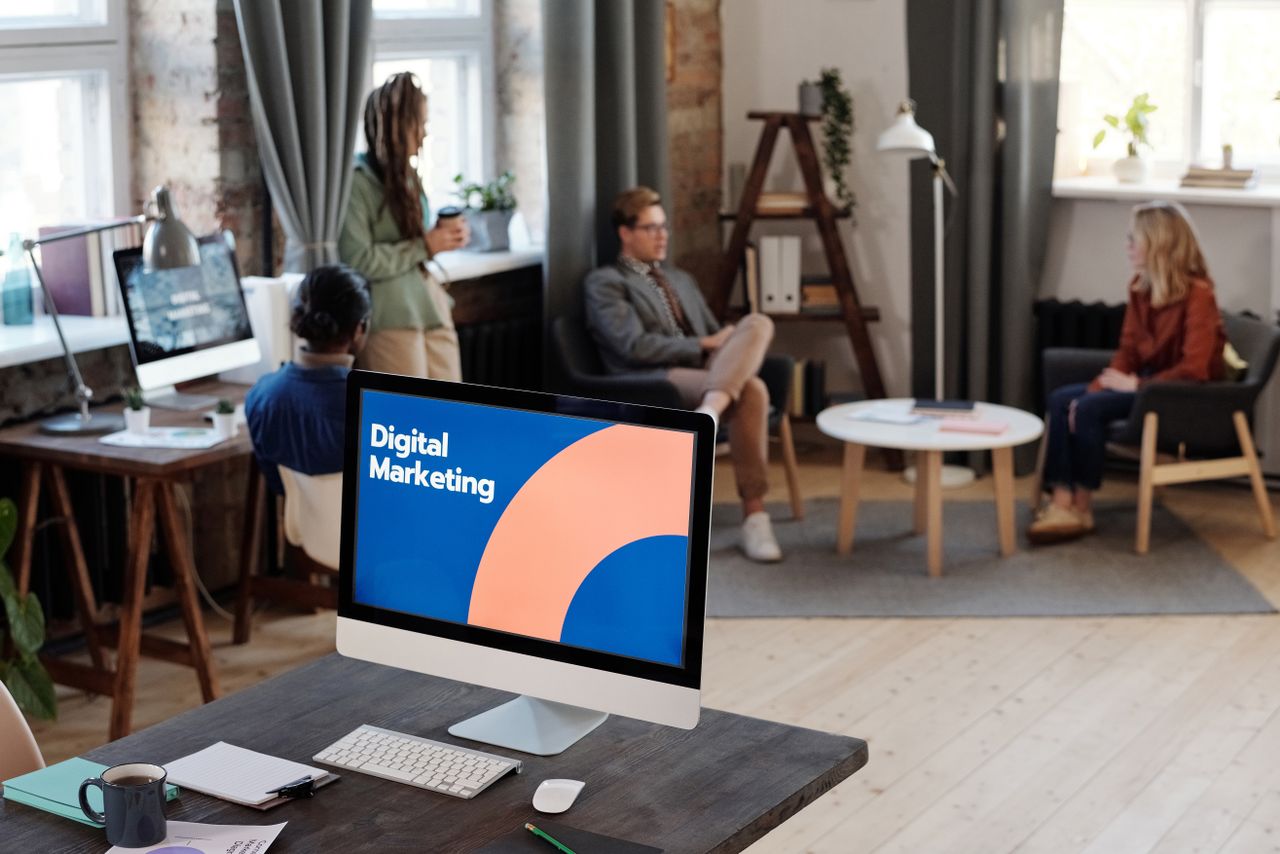
Learn how to start digital marketing from home with this beginner’s guide. Discover essential skills, steps, tools, and tips to build your online career.
Introduction
In today’s digital age, digital marketing skills have become very popular. If you are interested in earning additional money, working as a freelancer, building your online business, or even working from home, you can opt for studying digital marketing at home. The most amazing thing about it is that you don’t have to possess a marketing degree, nor do you require any financial support to begin your learning journey.
What Is Digital Marketing?
Digital marketing is the marketing strategy whereby marketers make use of digital techniques to market their products, services, or brand names. It is the marketing of products or services via websites, search engines, social networking sites, e-mails, advertisements on the internet, and not using any traditional marketing techniques like newspapers and television.
There are some specific branches in this discipline that include SEO (search engine optimization), content marketing, social media marketing, e-mail marketing, PPC (pay-per-click), affiliate marketing, and video marketing. These channels serve various purposes but complement each other to drive traffic, gain trust, and make sales.
With an increasing number of firms venturing into the online space, there has been an increase in the use of digital marketing strategies to grow businesses. These needs have opened up numerous career paths for beginners to venture into.
Why Start Digital Marketing From Home?
Starting your career as a digital marketer from home will provide you with great freedom and opportunity for growth. Unlike other job profiles, you do not require any office setup or expensive equipment. All you need is a computer with an internet connection.
When working from home, you have the flexibility of studying at your own pace. This allows you to take advantage of the time that you are free to study and work in practical areas. After gaining enough knowledge about digital marketing, you can choose to become a freelancer, look for an online job, or even start a digital marketing firm.
Other strengths of digital marketing include the numerous career choices open to students who study this subject. There are a number of ways to go about it based on your capabilities, including SEO, social media marketing, content writing, online paid advertisements, and email marketing.
How to Start Digital Marketing From Home:
Starting a career in digital marketing from the comfort of your own home has become easier than ever before, particularly for those who have no previous experience or understanding of technology. It is all about learning how to do it and following a plan.
Step 1: Learn the Basics
To begin with, it is vital that you know some basic things about digital marketing, including search engine optimization, content marketing, social media marketing, e-mail marketing, and pay-per-click advertising. You may acquire knowledge for free using online resources. It is important to focus on learning only one concept at a time.
Step 2: Choose One Skill to Master
The domain of digital marketing consists of many components; hence, trying to learn all at once may not be helpful. Pick one area that you are interested in, and it could be SEO, content writing, social media marketing, or even paid marketing. By learning only one skill at a time, you will be building yourself.
Step 3: Create Your Own Website
Building a website or blog for yourself is a good way to practically learn digital marketing. In your own website/blog, you can practice SEO by making content, carrying out keyword research, and SEO optimizing your web pages. It is also a very good way to show what you have learned and build a portfolio for yourself.
Step 4: Build a Strong Portfolio
Creation of the professional portfolio is the process of displaying your skills and establishing trust between you and the client/employer. One can present his/her articles, SEO optimization, social media marketing, or case studies in this portfolio.
Step 5: Find Your First Client
Having already acquired some practical experience, one should find their first customer now. It is possible to find customers on the websites of freelancers, through networking, using LinkedIn, or contacting the local businesses. One should start with small jobs, do them perfectly, get positive feedback, and develop professionally.
What tools do I need to start digital marketing from home?
Use of the right tools will simplify your work. They will help you to analyze information, improve SEO, create interesting content, and manage marketing campaigns. For a beginner, it would be reasonable to start with the free software and then switch to the paid one.
1. Google Analytics
Google Analytics helps digital marketers measure traffic, behavior, and performance of their campaigns. The tool gives valuable information about visitors and conversions.
2. Google Search Console
Google Search Console is one of the most useful SEO tools that enable marketers to track the performance of their websites on Google. This tool gives information on keyword ranks, indexation problems, search traffic, and other areas where one can improve the visibility of his/her website.
3. Canva
Canva is a user-friendly design tool that assists marketers in creating professional designs of graphics, social media, banners, and other marketing visuals without having any prior knowledge of designing.
4. Keyword Research Tools
Keyword research tools help one to understand the searches made by users on the Internet. The keyword research tools provide information to marketers regarding their searches.
5. Social Media Management Tools
Social media management tools help marketers post messages in a scheduled manner, manage several social media networks at once, and track audience interaction with them.
Best Niches for Digital Marketing
Choosing an industry helps you become an expert.
Popular niches include:
- Healthcare
- Fitness
- Real estate
- Legal services
- SaaS
- Education
- E-commerce
- Finance
- Travel
- Local businesses
Specialization usually means that one is in for more lucrative chances.
Future of Digital Marketing as a Home-Based Career
The future of digital marketing as a home-based profession is looking very bright since companies keep going digital. The company needs professionals who will ensure its visibility and help it make more money by getting more clients. There is increasing demand for SEO specialists, content marketers, social media marketers, and those who do paid ads.
Can You Start Digital Marketing From Home Without Experience?
Absolutely, one can learn how to use digital marketing without any experience from home. Some people have succeeded in marketing because they started while learning the fundamentals and practiced through various personal projects. There is much free content on the internet, which will help newbies get acquainted with marketing techniques and make a portfolio.
FAQ
Are digital marketing skills in demand in 2026?
Yes, the skills related to digital marketing are highly sought after in 2026 due to the expansion of companies into the digital space. People who are knowledgeable about SEO, content marketing, social media, and paid marketing are required in order to make contact with customers and help develop the business.
Do I need a website to start digital marketing from home?
No, the website is not required in order to start digital marketing from your home; nevertheless, it is suggested to have a website because that way you can practice SEO, show off your skills, build your reputation, and attract customers.
Do I need a website to start digital marketing from home?
No, beginners can learn digital marketing without creating their website. However, having a personal website allows gaining hands-on experience in content creation, SEO, and its analytics, and keyword research.
Are online digital marketing courses worth learning?
Definitely, taking digital marketing classes online is worth it since these classes provide systematic information, methods, and coaching. Digital marketing courses assist newbies in learning SEO, content marketing, advertising, and many other skills that are essential in digital marketing.
Conclusion
Getting the skills that will help you learn how to start digital marketing from home will prove to be one of the best decisions you will make in your life. There will be low costs involved and endless possibilities for you to develop useful marketing skills through learning the basics, picking up a specialization, working on your projects, and gaining experience. Keep being persistent, continue growing your knowledge, and providing value. In time, it will pay off and bring you success.
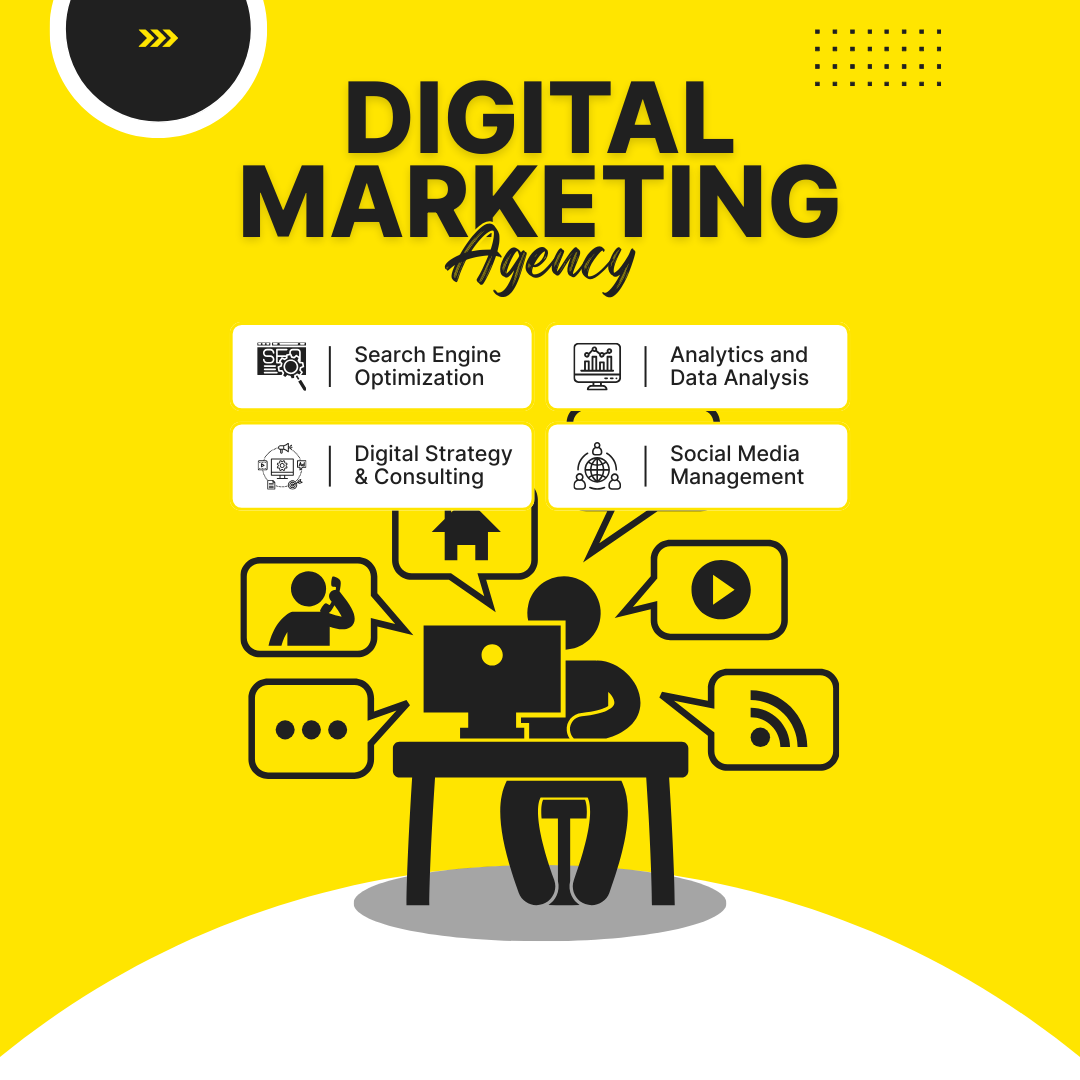
Are you trying to answer the question, “Why are you interested in digital marketing?” Many people in India are asking this exact question. They see it as a path to a great career. This field is growing fast, full of creativity, and offers many chances to succeed. It combines technology with human psychology to help businesses connect with people online. This guide will explore the top reasons to build a career in this exciting industry.
The Top Reasons People Are Interested in Digital Marketing
Digital marketing is more than just posting on social media. It is a powerful way for businesses to grow. Let’s look at the key reasons why this field is so popular in India today.
High Demand for Skilled Professionals
Businesses in India, from small startups to large companies, need a strong online presence. They need people who understand how to reach customers on the internet. This has created a huge demand for digital marketing experts.
- Job Growth: The number of digital marketing jobs is increasing every year. Companies are always looking for people skilled in SEO, content creation, social media management, and online advertising.
- Skill Gap: There is a gap between the demand for digital marketers and the supply of skilled people. If you have the right skills, you can find a good job easily.
- Every Industry Needs It: Digital marketing is not just for tech companies. Hospitals, schools, stores, and even local shops need digital marketing to find new customers.
A Career with Great Earning Potential
Digital marketing jobs often pay well, especially as you gain experience. Your salary can grow quickly as you learn new skills and deliver results for your company.
- Starting Salaries: Freshers in India can expect a good starting salary. This is often higher than in many other traditional fields.
- Growth with Experience: With 3-5 years of experience, your earning potential increases a lot. Specialists in areas like SEO or performance marketing can command very high salaries.
- Freelance Opportunities: Digital marketing offers great freedom. You can work as a freelancer from home and serve clients from around the world. This allows you to set your own rates and work on projects you enjoy.
The Field is Always Changing
Digital marketing is never boring. It is a dynamic field that changes every day. New social media platforms appear, Google updates its search algorithm, and new technologies emerge.
- Continuous Learning: You will always be learning new things. This keeps the job interesting and challenging. You get to be at the forefront of new trends.
- Creativity and Innovation: You have the chance to be creative every day. You can come up with new ideas for ad campaigns, write engaging content, or design beautiful websites.
- Problem-Solving: A big part of the job is solving problems. For example, why is a website not getting traffic? How can we get more people to buy a product? Finding the answers is a rewarding experience.
You Can See the Results of Your Work
One of the best parts of digital marketing is that you can measure your success. You do not have to guess if your work is making a difference.
- Using Analytics: Tools like Google Analytics show you exactly how many people visit a website, where they come from, and what they do.
- Tracking ROI: You can track the return on investment (ROI) for your marketing campaigns. This means you can show your boss or client that your work is making them money.
- Making Data-Driven Decisions: This data helps you make better decisions. You can stop doing what does not work and do more of what does.
Key Skills You Need to Succeed in Digital Marketing
To build a successful career, you need to develop specific skills. Here are some of the most important ones.
1. Search Engine Optimization (SEO)
SEO is the process of getting a website to rank higher on search engines like Google. When people search for something, you want your website to be one of the first results they see. This skill is in very high demand.
2. Content Marketing
This involves creating and sharing valuable content like blog posts, videos, and infographics. The goal is to attract and engage an audience, turning them into customers. Good writing and storytelling skills are essential here.
3. Social Media Marketing (SMM)
This is about using social media platforms like Instagram, Facebook, and LinkedIn to connect with customers. You need to understand how each platform works and create content that people will love and share.
4. Paid Advertising (PPC)
PPC stands for Pay-Per-Click. This is when you pay for ads to appear on search engines or social media. Skills in Google Ads and Facebook Ads are very valuable because they can bring quick results for a business.
5. Data Analysis
You must be comfortable with numbers. Analyzing data from your marketing campaigns helps you understand what is working. This allows you to improve your strategy and get better results over time.
How to Start Your Career in Digital Marketing in India
Are you feeling inspired? Here are some practical steps you can take to begin your journey.
- Learn the Basics: Start with free online resources. There are many blogs, YouTube channels, and free courses that teach the fundamentals of digital marketing.
- Take a Structured Course: Consider enrolling in a good digital marketing course. A structured program can give you a strong foundation and a certificate to show employers. Look for courses that offer practical projects.
- Build Your Own Website or Blog: The best way to learn is by doing. Start a simple blog about a topic you love. Practice your SEO, content writing, and social media skills to promote it.
- Get an Internship: An internship is a great way to get real-world experience. You get to work on actual marketing campaigns and learn from experienced professionals.
- Build a Portfolio: As you work on projects, create a portfolio. This is a collection of your best work that you can show to potential employers. It proves that you have the skills they are looking for.
Conclusion: Why You Should Be Interested in Digital Marketing
So, why are you interested in digital marketing? As we have seen, it is a field with a bright future in India. It offers high demand, great salaries, and the chance to do creative and impactful work. You get to learn every day and see the direct results of your efforts. By developing the right skills and getting practical experience, you can build a rewarding and successful career in this exciting industry.
Frequently Asked Questions (FAQs)
1. Is digital marketing a good career in India?
Yes, it is an excellent career choice. The industry is growing rapidly, and there is a high demand for skilled professionals across all sectors, offering great job security and salary potential.
2. Can I get a digital marketing job with no experience?
It is possible. You can start by getting an internship, freelancing for small projects, or creating your own website to build a portfolio. This practical experience is often more valuable than a degree.
3. Do I need a special degree for digital marketing?
No, you do not need a specific degree. People from all educational backgrounds can succeed in digital marketing. What matters most are your skills, practical experience, and a portfolio of your work.
4. How much can a digital marketer earn in India?
A fresher can earn between ₹3 to ₹5 lakhs per year. With 3-5 years of experience, this can increase to ₹8 to ₹15 lakhs or more, especially for specialists in high-demand areas.
5. What is the most important skill in digital marketing?
While all skills are important, a strong understanding of SEO is a great foundation. It is a highly sought-after skill that drives long-term, organic results for businesses.

Have you ever wondered how some businesses make a lot of money from just a few sales? They might be using a special strategy. Let’s explore what is high ticket digital marketing. This approach focuses on selling products or services that have a high price. Instead of selling hundreds of cheap items, you sell a few expensive ones. This guide will explain everything you need to know in simple terms. We will cover how it works, why it is powerful, and how you can get started.
Understanding What is High Ticket Digital Marketing
So, what is high ticket digital marketing? It is the process of promoting and selling premium, high-priced items or services online. A “high ticket” item usually costs a significant amount of money. This could be anything from ₹50,000 to ₹5,00,000 or even more. The exact price depends on the industry.
Think about it like this. A street food vendor might sell 200 plates of pani puri a day to make a good income. On the other hand, a luxury car dealer might sell only one car a month and earn much more. High ticket digital marketing is like selling that luxury car. It requires a different set of skills and a deeper connection with the customer.
The goal is not just to make a sale. It is about building trust and showing immense value. Because customers are spending a lot of money, they need to be very sure about their decision. This is where a strong marketing strategy becomes very important.
Key Differences from Low Ticket Sales
Selling a high ticket item is very different from selling a low ticket one.
- Sales Cycle: Low ticket items, like a t-shirt or a mobile case, have a short sales cycle. A customer sees it, likes it, and buys it quickly. High ticket items have a much longer sales cycle. It can take weeks or even months for a customer to decide.
- Customer Relationship: For low ticket sales, the relationship is often transactional. For high ticket sales, you need to build a strong, trust-based relationship. Customers need to feel understood and supported.
- Marketing Effort: Promoting a ₹500 product requires broad marketing, like social media ads. Promoting a ₹2,00,000 coaching program requires a more personal and targeted approach. This includes webinars, detailed case studies, and one-on-one calls.
- Value Proposition: With low ticket items, the value is simple. With high ticket items, you must clearly demonstrate a massive return on investment or a life-changing transformation.
Why is High Ticket Digital Marketing So Effective?
Now that we know what it is, let’s look at why this model is so popular and effective. It offers several benefits for businesses and entrepreneurs in India.
Higher Profit Margins
This is the most obvious benefit. When you sell a product for ₹1,00,000, your profit from a single sale is huge. You would need to sell 200 products at ₹500 to make the same revenue. With high ticket sales, you need fewer customers to reach your income goals. This frees up your time and resources.
Work with Fewer, More Serious Clients
High ticket offers attract serious customers. People who are willing to invest a large amount of money are usually more committed to getting results. This leads to better case studies, stronger testimonials, and a more fulfilling experience for you as the seller. You get to work closely with people who truly value what you offer.
Scalability and Freedom
It might seem strange, but selling high-priced offers can be easier to scale. You can focus all your energy on nurturing a small number of leads. You do not need a giant team to manage hundreds of small customer queries. This focus allows you to create better systems and processes. It can lead to more freedom in your business and personal life.
Examples of High Ticket Products and Services
High ticket offers can be found in many industries. Here are some common examples that you might see in the Indian market:
- Coaching and Consulting: Business coaches, life coaches, and financial consultants often offer premium packages. These can include one-on-one sessions and personalized strategies.
- Done-For-You Services: Digital marketing agencies might offer a complete website redesign or a full year of SEO management for a high price. A wedding planner might offer an exclusive, all-inclusive planning service.
- Masterminds and Group Programs: These are exclusive groups where members pay a high fee to learn from an expert and network with peers.
- High-End Digital Courses: These are not your typical video courses. They are comprehensive programs with live support, community access, and direct interaction with the instructor.
- Luxury Goods and Real Estate: Selling luxury watches, designer bags, or high-end properties online also falls under this category.
How to Get Started with High Ticket Digital Marketing
Are you interested in creating your own high ticket offer? Here is a practical, step-by-step guide to help you begin.
1. Identify Your Expertise and Niche
First, you need a skill or knowledge that people will pay a premium for. What problem can you solve better than anyone else?
- Are you an expert in finance who can help people manage their money?
- Are you a great digital marketer who can help businesses grow?
- Are you a fitness expert who can create life-changing transformation programs?
Choose a niche where you have proven experience. Your expertise is the foundation of your high ticket offer.
2. Create an Irresistible High Ticket Offer
Your offer needs to be more than just a product or service. It must be a complete solution to a major problem. A good high ticket offer usually includes:
- A Core Promise: What is the main result you will deliver? (e.g., “Double your sales in 6 months.”)
- Key Deliverables: What is included? (e.g., weekly coaching calls, private community access, templates, and resources.)
- Bonuses: What extra value will you provide to make the deal irresistible? (e.g., a free ticket to an event, extra one-on-one sessions.)
Package everything in a way that shows clear, massive value. The price should feel like a great investment for the results the client will get.
3. Build a High Ticket Sales Funnel
You cannot just put a “Buy Now” button for a ₹3,00,000 product on your website. You need a process to guide potential customers. This process is called a sales funnel. A typical high ticket funnel looks like this:
- Awareness: Attract potential customers with valuable free content like blog posts, YouTube videos, or social media content.
- Lead Generation: Offer a “lead magnet,” such as a free ebook, checklist, or webinar, in exchange for their email address.
- Nurturing: Build a relationship through a series of emails. Share success stories, answer common questions, and provide more value.
- Application/Call Booking: Invite interested leads to apply or book a call with you. An application form helps you filter out people who are not a good fit.
- Sales Call: This is a one-on-one conversation where you understand the customer’s needs and see if your offer is the right solution. The goal is to help, not to push a sale.
- Closing: If it is a perfect match, you present the offer and enroll them as a client.
4. Master the Art of a Sales Conversation
The sales call is the most critical part of the high ticket process. It’s not a high-pressure sales pitch. It’s a consultation. Your job is to listen more than you talk. Understand their problems, their goals, and their fears. Then, show them how your offer can bridge the gap between where they are and where they want to be.
Conclusion: Is High Ticket Digital Marketing for You?
We have explored what is high ticket digital marketing from top to bottom. It is a powerful business model that focuses on value, trust, and transformation. By selling premium products and services, you can achieve higher profits with fewer clients, giving you more freedom and impact. It requires expertise, a strong offer, and a relationship-focused marketing approach. If you have a valuable skill and are ready to help clients achieve big results, this path might be the perfect fit for you.
Frequently Asked Questions (FAQs)
1. How much does a high ticket item cost?
A high ticket item typically costs over ₹50,000, but the price can vary greatly. In some industries, items over ₹1,00,000 or even ₹10,00,000 are considered high ticket.
2. Can beginners do high ticket digital marketing?
Yes, but you need to have deep expertise in a specific area. If you can deliver amazing results for clients, you can create a high ticket offer, even if you are new to business.
3. Do I need a website for high ticket sales?
A professional website helps build trust, but it’s not strictly necessary to start. You can begin with a simple landing page for booking calls and a strong social media presence.
4. What is the best platform for finding high ticket clients?
Platforms like LinkedIn, Facebook Groups, and YouTube are great for finding high ticket clients. The best platform depends on where your ideal customers spend their time online.
5. Is high ticket marketing a get-rich-quick scheme?
No, it is not. Building a successful high ticket business takes time, effort, and a genuine desire to help your clients. It is a long-term strategy built on trust and delivering real value.
-

 BLOG2 years ago
Unlocking Opportunities: Top Small Business Ideas in Hyderabad
-

 Business2 years ago
Hеartfеlt Bеst Wishеs for Nеw Businеssеs: Encouragеmеnt & Succеss Tips
-

 BLOG2 years ago
Top Automotivе Businеss Idеas: Explorin’ Profitablе Vеnturеs in thе Auto Industry
-

 BLOG2 years ago
Small Business Ideas from Home for Ladies: Empower Your Entrepreneurial Spirit
-

 BLOG1 year ago
What is Traceloans.com Student Loans?
-

 BLOG2 years ago
Medicine Wholesale Business: An In-Depth Overview
-
BLOG2 years ago
Business Ideas in Tamilnadu: Profitable Options for Entrepreneurs
-

 BLOG2 years ago
Part Time Business Ideas in Tamil You Can Start from Home