
BLOG
Windward Business Park: Your Comprehensive Guide to a Premier Business Hub

Discover Windward Business Park, a strategic business location offering modern office spaces, top amenities, and accessibility for growing enterprises. Dive into our complete guide to this prime business destination.
Introduction
Windward Business Park has emerged as one of the most favored locations for businesses in search of active and contemporary office work areas. Strategically positioned with great connectivity to the major transport networks and locally, it provides proximity, modern facilities, and a working culture that suits many sectors. The park is not only used for office purposes but it is also a place where people come and work as a community where different enterprises interact and develop. With adaptable work area designs, high levels of security, and numerous facilities including food, shopping, and recreation, it is a modern business park.
Windward Business Park is built to accommodate businesses of all scales. Its environmentally sensitive design in this day and age is also an added advantage. For those businesses that wish to operate in an enabling and progressive environment, Windward Business Park is ideal for them in terms of development and progressive activities.
What is Windward Business Park?
Windward Business Park is an exceptional business center purposefully built for firms intending to start or grow their business. Central business activities at Windward Business Park are located in a well-connected area where transport, shopping, dining, and other business services are at close range for businesses of all kinds; it provides modern office spaces, flexible leases, and high-quality facilities necessary for people’s development and business success.
Key Features of Windward Business Park
1. Prime Location
Windward Business Park is strategically located in the vibrant economic center of the Charlotte metropolis, thereby facilitating an excellent transportation network to the major highways, Charlotte Douglas International Airport, and other key transport services. The location encourages seamless connection between companies and suppliers, customers, and other key stakeholders thereby improving local and regional business activities.
2. Diverse Commercial Spaces
The facility is capable of offering variances in square footage measurements for enclosed core centers from small office units suited for new business ventures to vast complexes for large firm operations. Such flexibility caters to a wide array of business requirements and enables businesses to expand even within the same place, which is very useful for both medium and long-term apportionments.
3. Advanced Infrastructure
The windward business park facilities comprise additional facilities such as High-speed Internet connections; and energy-efficient modern buildings with safe entry systems among others. This kind of infrastructure meets the needs of businesses, for example, technology corporations, banking, and other sectors needing sophisticated technology.
4. Business-Friendly Environment
The design concept of Windward Business Park is focused on interaction and accessibility. It has wide corridors, nice landscaped areas, and sufficient parking making it ideal for employees and visitors alike. In addition, there are other facilities around such as eateries and shops, making it easier for everyday activities and hence a more flexible working environment.
5. Support for Sustainable Practices
Windward’s policies actively promote environmental sustainability by incorporating green concepts in design and construction. The business park has implemented the use of energy-saving lighting, and green construction materials thereby creating a green landscape that complements their corporate social responsibility objectives. This is equally beneficial for companies that prefer to operate in a manner that helps protect the environment.
Advantages of Choosing Windward Business Park
1. Cost-Effective Leasing Options
Windward Business Park includes a range of leasing terms that are very reasonable to accommodate different sizes of businesses from the smallest organizations to the biggest corporate ones. This helps to meet the cost due to having the option to take up professional space only when it is needed, as lease terms can be switched to fit the practical requirements of the functioning of the company.
2. Sustainable and Eco-Friendly Practices
Windward Business Park is environmentally friendly. The park has adopted practices such as energy-saving lighting, recycling policies and the use of green building materials, hence attracting the eco- sensitive organizations.
3. Networking and Business Growth Opportunities
In addition to this, Windward Business Park houses various other industries allowing almost every business to reach out to others. It is through such regular activities that businesses can meet, engage in active discussions, and identify opportunities to put together projects that will drive business growth and functionality.
Why Windward Business Park Stands Out in Charlotte
Charlotte has a wonderful infrastructure and labor force and a good economy which attracts businesses. Windward Business Park is unique in offering the economy of Windward through its location and also geographical space that has been designed with business amenities fitting a present-day business. Windward is a perfect mix for corporations in pursuit of expansion and growth and at the same time providing their environmentally sustainable business practices.
Future Growth Prospects
The Windward Business Park is well-built with the future in mind, incorporating various forms of economic and infrastructural growth within the business premises. Given plans for more office buildings, larger buildings, and additional social infrastructure, it is apparent that the park is already modifying itself to accommodate its occupants. This makes it possible for businesses in the zone to make long-term business growth plans without worrying about where to relocate after a few years.
Why Choose Windward Business Park?
In choosing Windward Business Park, other factors such as accessibility, provision of a working community, and potential business development opportunities come into play. It is the perfect environment for businesses targeting expansion without compromising on quality standards. The business park provides it all in one location, which is very beneficial for any organization with high aspirations, elevating this space to strategic advantage.
Nearby Attractions and Conveniences
Even more, the location of the park allows them to get to such diversions and conveniences. There are gyms, shopping and leisure centers, lodging places, and even banks, which help to optimize the working and leisure time of the workers and employers in the area surrounding the park. Proximity to these facilities means less time spent commuting and more time dedicated to the task at hand.
FAQs
Can I host events at Windward Business Park?
Indeed, Windward Business Park has all the necessary facilities for meetings, corporate functions, and training including conference and events rooms.
How eco-friendly is Windward Business Park?
The park is built with a sustainable approach and includes rechargeable lighting, waste management measures, and the use of green building technology.
Is parking available at Windward Business Park?
Yes, there is sufficient occupancy and visitor parking space within the park for easy and convenient access at all periods.
Conclusion
Windward Business Park is a modern facility that comes with many amenities, a strategic location, and an active business environment. Such a business center is purposed for companies auspicious for creativity, teamwork, and expansion. In this place, organizations cannot only survive with their existing facilities but can grow beyond their current capacities.


Learn about what a small hotel business means, how to develop a business plan, open a small hotel, key characteristics, advantages, disadvantages, and development tips for 2026.
A small hotel business can be defined as a business that belongs to the hospitality industry and provides customers with accommodation and personal services, but in small quantities, compared to large hotels. Small hotels have 5 to 50 rooms, depending on the country of business activity. Their main purpose is to provide comfortable accommodation for their clients.
The sphere of small hotels will keep expanding in 2026 due to high demand for unique accommodation and personal customer services, online reservation websites, and the unique experience of the area. It does not matter where the small hotel is situated; it will be successful if managed properly.
What Is a Small Hotel Business Plan?
A small hotel business plan can be defined as the business plan of a small-scale hotel that gives information on vision, operation, target market, and financial status of the small-scale hotel that generally has fewer than 50 rooms, such as boutique hotels, guest houses, motels, or bed and breakfasts.
Large hotel chains employ corporate structure as well as franchising support, while small hotels need a strategy appropriate to their size and budgetary constraints. The purpose of this document includes:
- It provides clarity on what your business idea is about and its unique selling proposition
- It assists you in getting financing from banks, investors, or creditors
- It guides your day-to-day operations
- It enables you to set tangible goals
Key Components of a Small Hotel Business Plan
These are the various components that normally make up a complete small hotel business plan.
1. Executive Summary
This is a brief explanation of your hotel business idea, mission statement, location, target market, and financial details. Despite its placement at the beginning, this is normally the last section to be completed in the overall plan
2. Business Description
Describe the kind of property you are launching into, such as a boutique hotel, inn, motel, or guesthouse, and what makes your property special. Your answers should include:
- Legal formation (LLC, partnership, sole proprietorship)
- Property location and details
- Number of rooms and facilities
- Unique brand story and value proposition
3. Market Analysis
This part shows that you know the existing hospitality industry environment in the area. Specify:
- The target market (business people, families, backpackers, luxury tourists)
- Tourism trends in the local area
- Competition analysis (local hotels, their prices, strong and weak sides)
- SWOT analysis (Strengths, Weaknesses, Opportunities, and Threats)
4. Organization and Management
Provide the organizational chart of your staff from the General Manager down to the cleaning and reception staff. Even a small hotel should have clear positions for:
- Property Management
- Guest Services and Front Desk Operations
- Housekeeping and Maintenance
- Sales and marketing
5. Services and Amenities
Provide the amenities that your property will provide other than the provision of a room and bed, such as breakfast services, Internet access, parking space, shuttle services to/from the airport, spas, and conference facilities.
6. Marketing and Sales Strategy
Detail how you’ll attract and retain guests, including:
- Website and online booking system
- Listing in OTAs (online travel agencies), such as Booking.com, Expedia
- Search engine optimization and local search presence
- Social media marketing and influencer collaboration
- Frequent guest programs and loyalty programs
- Collaboration with local points of interest, restaurants, or tour operators
7. Operations Plan
Cover the daily logistics of running the hotel:
- Check-in/Check-out Processes
- Housekeeping schedules
- Vendors and suppliers
- Technology Systems (Property Management Software and Point of Sale Systems)
- Health and safety standards
8. Financial Plan
This is often the most scrutinized section by lenders and investors. Include:
- Start-up costs (property purchase or rental, renovation, furnishing, licensing fees)
- Revenue projections (average daily rate, occupancy rates, revenue per available room)
- Break-even point calculation
- Projected profit and loss for 3 to 5 years
- Cash flow statement
- Funding application and funds usage (if raising investment)
9. Appendix
Include such supporting documents as floor plans, photographs, permits, licenses, résumés of important managers, and all market research information that is mentioned in the plan.
How to Start a Small Hotel Business
1. Conduct Market Research
Take into account the following factors, such as the local tourism industry, other nearby attractions, customer preferences, price trends, and seasonal trends, to ensure the profitability of the hotel business.
2. Create a Business Plan
Develop a complete business plan that should contain your budget, target market, revenue expectations, expenses, marketing strategy, and growth strategy.
3. Choose a Strategic Location
Try to focus on a place where you can get enough traffic from tourists, businesses, airports, or transport centers.
4. Register Your Business and Obtain Licenses
Make sure that your business is registered and you get all required permits, tax registration, health certificates, and hospitality licenses.
5. Get Financing
Financing for the property, renovation, equipment, and operational costs can be arranged with the help of personal funding, bank loans, or investors.
6. Design and Equip Your Hotel
Build comfortable guest rooms that have quality furniture, the latest amenities, Wi-Fi, and common areas.
7. Develop a Marketing Strategy
Get the hotel more visible and sell the rooms with the help of Internet marketing, such as SEO, social media marketing, online travel agencies, local business connections, email marketing, and customer reviews.
8. Hire and Train Staff
Hire friendly and competent staff and train them regularly on customer service, housekeeping, safety, and hotel procedures for uniformity of quality.
9. Implement a Booking and Management System
Use hotel management software for solving issues regarding hotel operations like bookings, checking in of rooms, guest record keeping, payment collection, billing, and other activities.
10. Focus on Guest Experience and Continuous Improvement
Provide excellent customer service, listen to the complaints of the customers, and address them effectively in order to retain the customers and get positive feedback on your hotel.
Key Characteristics of Small Hotel Businesses
1. Personalized Guest Experience
The feature of small hotels lies in the hospitality shown towards the guests and in making them feel at home. The owners and the workers are familiar with the guests and can give them personal treatment and guidance, depending on their local knowledge.
2. Limited Inventory
Small hotels can keep their rooms in better condition, repair them better, and provide better service to their guests without the hassle of larger hotels.
3. Unique Design and Theme
Though the distinction of these small hotels lies in their architecture, interior design, or even a certain theme, such as old buildings converted into hotels, green hotels, or art-themed boutiques.
4. Lower Overhead Costs
The overheads associated with such enterprises are usually low, as these enterprises are usually smaller in size and thus would have lower labor, utility, and maintenance costs.
5. Community and Local Integration
Local sourcing of products is one characteristic of small hotels since they tend to partner with local companies and are very much a reflection of their environment.
Small Hotel Business vs. Large Hotel Chains
| Feature | Small Hotel Business | Large Hotel Chain |
| Ownership | Independent or family-owned | Corporate or franchised |
| Room Count | Typically under 50 | Often 100+ |
| Guest Experience | Personalized, intimate | Standardized, consistent |
| Brand Recognition | Local or niche | Global |
| Operating Costs | Lower overhead | Higher operational scale |
| Flexibility | High adaptability | Bound by brand standards |
Advantages of Running a Small Hotel Business
- Lower Start-up and Operational Costs than big hospitality businesses
- High Guest Loyalty because of personalized service and unique experiences
- Niche Marketing Approach targeting guests looking for unique rather than similar experiences
- Operational Control regarding branding, pricing, and guest policies
- Community Impact as a result of sourcing and partnership with the local community
Challenges Faced by Small Hotel Businesses
While rewarding, small hotel businesses also face unique hurdles:
- Small Marketing Budget in Comparison with Big Hotel Chains that have Global Reach
- Seasonal Revenue Fluctuations, particularly in places that rely heavily on tourism
- Competition from Online Travel Agencies (OTAs) and Short-Term Rental Platforms
- Resource Constraints, because a smaller staff has to do many different things
- Financing, because banks may see a smaller hospitality business as risky
Conclusion
A small hotel business can be a good choice due to the promising hospitality industry. Having a detailed business plan, choosing the right location, providing quality service, using proper marketing, and good management, people will be able to establish a successful hotel business. The emphasis should be put on the guests, new technologies, and the improvement of performance.

Explore 25 profitable business ideas under ₹20 lakhs. Discover manufacturing startups with high demand, investment details, and long-term growth potential.
Businesses can begin with an investment of ₹20 lakhs and have some lucrative manufacturing and production options. This budget range will allow them to set up a small-scale factory, buy the necessary equipment, secure licenses, hire staff, and start manufacturing.
Entrepreneurs have plenty of opportunities to establish sustainable and scalable businesses as the demand for Make in India products, eco-friendly solutions, packaged foods, FMCG products, renewable energy products, and affordable consumer items continues to grow.
Why Start a Manufacturing Business with ₹20 Lakhs?
Manufacturing companies are also very stable as they produce tangible products that are always in demand, even during economic downturns.
Some advantages include:
- High profit margins
- Government subsidies under MSME schemes
- Easy access to business loans
- Growing domestic demand
- Export opportunities
- Opportunity to build your own brand
- Scalable production capacity
25 Most Profitable Business Ideas to Start with an Investment of ₹20 Lakhs
1. Bottled Drinking Water Unit
Bottled drinking water is a business with a steady demand for water for homes, offices, schools, and events, and a profitable manufacturing enterprise. The total cost of purification equipment, bottling machines, packaging, licensing, and distribution to local retailers can be met with an investment of ₹20 lakhs.
2. Small Bakery Unit
It is possible to raise bread, cakes, cookies, pastries, and snacks in a small bakery unit for local markets. A sum of ₹20 lakhs will help you buy baking equipment, hire skilled people, design the packaging, and start a flourishing retail or wholesale venture.
3. Ice Cream Manufacturing
There is a high seasonal and year-round demand for making ice cream. With an investment of ₹20 lakh, you can purchase production machinery, cold storage, flavoring machines, packaging machines, and equip yourself with distribution through supermarkets, restaurants, and local retailers for steady growth.
4. Paper Plates and Cups
There is an increasing demand for disposable food packaging, which is driving the manufacturing of paper plates and cups. Equipped with automatic machines, quality raw materials, and regularly providing to restaurants, caterers, and event organizers with ₹20 lakhs.
5. Paper Bags and Eco-Friendly Packaging
Paper bags and waste paper products are on the rise and are replacing plastic bags and waste. By investing ₹20 lakhs, you can buy bag-making machines, printing machinery, and raw material, and supply bag materials to the retail shops, grocery shops, restaurants, and e-commerce websites across the country.
6. Disposable Biodegradable Products
There is a high demand for biodegradable disposable products like plates, bowls, cups, and cutlery. By investing ₹20 lakh, businesses can purchase machinery, compostable raw materials, certifications, and market the product, while also achieving sustainability targets, long-term profitability, and customer loyalty.
7. Dairy Products
Stable income opportunities are available in a dairy products business that produces milk, paneer, curd, butter, and ghee. Entrepreneurs can start the processing equipments, refrigeration equipments, quality packaging, and reliable distribution to supermarkets, hotels, and local vendors with the investment of Rs.20 lakhs.
8. Mini Rice Mill
The mini rice mill converts the paddy into polished rice for the local farmers and wholesalers. The ₹20 lakhs investment is used for milling machines, cleaning machines, storage facilities, and packaging, and in the agricultural regions with high grain production, it has a high consistency of income.
9. Ready-to-Eat Snacks
Packaged snacks, such as chips, namkeen, roasted nuts, and mixtures, have high demand. You can buy food processing machinery, quality ingredients, and packaging equipment for ₹20 lakhs, with which you can successfully market your product through the retail shops and online marketplaces.
10. Herbal Powders and Ayurvedic Oils
Herbal powder and Ayurvedic oil manufacturing is a lucrative business with the trend of wellness. The ₹20 lakh investment helps in developing processing machines, the use of natural ingredients, hygienic packaging, regulatory approvals, branding, and selling the product in pharmacies, wellness stores, and online.
11. Detergent Powder and Liquid Soap
Households and businesses have a recurring demand for detergents, both liquid and powder, and liquid soaps. Investing ₹20 lakhs will enable the setting up of mixing machines, packing machines, quality testing machinery, and marketing of products to the wholesalers, supermarkets, hotels, and regional institutions.
12. Stationery Products
A stationery product company can produce school and company notebooks, files, envelopes, and office products. The total investment required is ₹20 lakhs, which allows entrepreneurs to buy cutting, binding, and printing machines and establish goodwill among the educational institutions and distributors for long-term business.
13. Plastic Household Products
Products of plastic materials like buckets, containers, baskets, and storage products are still in use in homes. A capital investment of ₹20 lakh enables the setting up of molding machines, procurement of raw materials, quality control, and distribution to hardware stores, supermarkets, and wholesalers for regular sales.
14. LED Bulb Assembly
The business of LED bulb assembly is a high-margin business, driven by increasing awareness of energy conservation. When an entrepreneur invests ₹20 lakhs, they can acquire assembly machines, testing machines, electronic components, and be able to sell cost-effective lighting products to households and offices without any hassles.
15. Small Textile Garments Workshop
It is possible to make garments with a textile garment workshop, such as uniforms, casual garments, and customized garments for numerous markets. Entrepreneurs can buy sewing machines, cutting machines, fabrics, and employ skilled people to complete the wholesale and retail orders promptly with Rs. 20 lakhs of capital.
16. Toy Manufacturing Unit
The toy industry is a small, growing industry that is driven by educational/recreational demand. The investment of ₹20 lakh enables them to shape the molding equipment, provide safe raw materials, undergo quality testing, create colorful packaging, and distribute the toys through toy shops, schools, and e-commerce stores all over India.
17. Steel Fabrication (Small Workshops)
A steel fabrication shop is a business that produces gates, grills, railings, sheds, and structural elements. Entrepreneurs can provide welding services to residential, commercial, and industrial construction by investing just ₹20 lakhs, which covers welding machines, cutting tools, safety equipment, and skilled labor.
18. Furniture (Plastic and Wooden)
There are opportunities in the residential and commercial furniture markets. The business owner will be able to start production of plastic and wooden furniture, buy woodworking machines, finishing machines, and sell them to retailers, office buildings, schools, and hotels, and other businesses with good quality furniture for an investment of ₹20 lakhs.
19. Wall Putties and Paints
The wall putty and paints are used in the construction and repair industry, where there is a growing demand. With an investment of ₹20 lakh, businessmen can get mixing equipment and packaging system installed, quality testing facilities setup and sell products through hardware stores and building material dealers.
20. Basic Components for Automobile Spare Parts
Making basic parts for automobiles is a lucrative business for the automotive industry and for vehicle repair. Investment in precision machinery, quality inspection equipment, skilled technicians, and automotive suppliers, dealers, and repair workshops can be done for around ₹20 lakhs.
21. Rubber Slippers and Gloves
Rubber slipper and glove production is a steady demand sector from the house, industrial, and healthcare sectors. A total investment of ₹ 20 lakh is needed for molding machines, rubber processing machines, quality control machines, and packaging for wholesale and retail distribution in several markets.
22. Cold Storage Facility on a Small Scale
A small-scale cold storage is an investment option for farmers, food processors, and retailers in ensuring that perishable products remain preserved. This is because by having ₹20 lakhs, one can set up refrigeration, insulation, and backup power generation, as well as earn income through rental service for storage purposes.
23. Solar Panel Assembly (Small Unit)
The assembly of solar panels would benefit from the increase in renewable energy use. This is because by investing ₹20 lakhs, one can set up assembly tools and equipment and earn income by providing affordable solar services to residential, commercial, and institutional consumers.
24. Sanitary Napkins Mini Unit
A sanitary napkin mini-unit would cater to increased awareness in health care and hygiene. By investing ₹20 lakhs, one can assemble machines, sterilizers, and packers to manufacture and sell affordable sanitary pads.
25. Printing and Packaging Unit
There is an existing printing and packaging facility providing packaging services to the food, drug, cosmetic, and retail sectors. The expenditure for ₹20 lakhs will go into the printing machine, cutting machine, finishing machine, and signing contracts with the local manufacturers and firms.
Factors to Consider Before Starting a ₹20 Lakh Business
Before investing ₹20 lakhs, one needs to do complete market research, find a proper location, acquire proper licenses, purchase good machinery, make proper supplier arrangements, produce quality goods, establish a strong brand identity, do efficient marketing online and offline, and have enough working capital for at least 6–12 months.
Conclusion
Beginning a business venture with an initial investment of ₹20 lakhs provides wonderful possibilities in manufacturing and production businesses. Select a sector that has high consumer demand, make investments in good machinery, and concentrate on branding and product quality. You will surely make profits and grow as a successful businessman through effective management practices.
Learn what an embroidery business is, how it works, startup costs, profitable ideas, benefits, and expert tips to start and grow successfully in 2026.
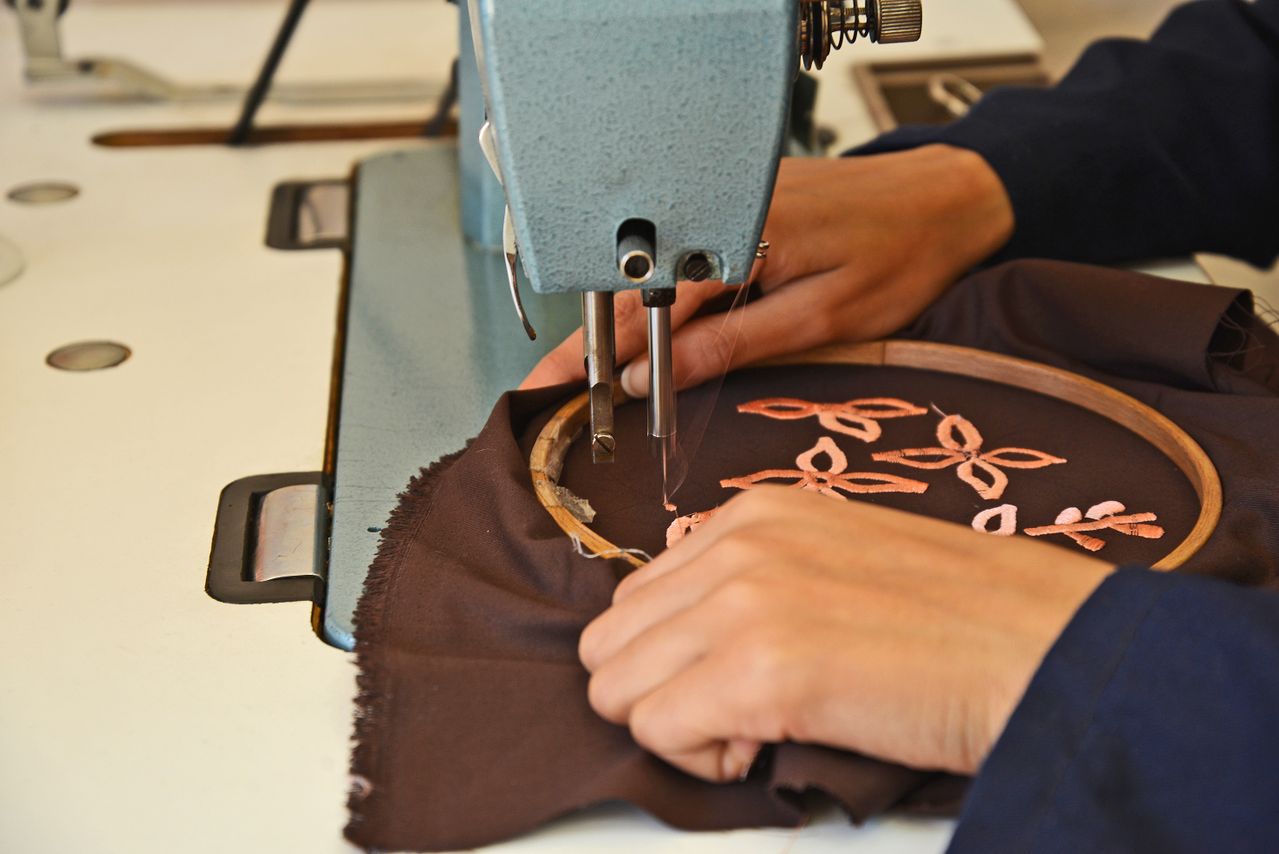
The embroidery business is a kind of company that mainly involves decoration using an embroidery machine and hand embroidery stitches to enhance the beauty of fabric. The typical embroidery business mainly concentrates on embroidering garments, caps, bags, towels, patches, and other promotional products, such as their names and logos. The contemporary embroidery businesses use computerized embroidery machines to decorate fabrics.
Customers include:
- Small businesses
- Large corporations
- Schools
- Sports teams
- Event organizers
- Fashion brands
- Healthcare organizations
- Restaurants
- Hotels
- Construction companies
- Individuals seeking personalized gifts
With the rise in the demand for branded clothing, there will be increased value in embroidery in the future.
How Does an Embroidery Business Work?
An embroidery business converts digital artwork into embroidered designs through the use of computerized embroidery machines.
The process is comprised of the following steps:
- Receive customer artwork or logo.
- Convert the design into an embroidery file using digitizing software.
- Select thread colors.
- Hoop the garment.
- Run the embroidery machine.
- Trim excess threads.
- Inspect quality.
- Package and deliver the finished product.
The modern-day embroidery machine has the capacity to stitch thousands of stitches per minute, enabling companies to do many orders in one sitting.
10 Embroidery Business Ideas That Actually Make Money in 2026
1. Personalized Baby Gifts
Personalized blankets, bibs, bodysuits, and towels remain popular choices for gifts. Customization may include names, birthdates, or initials of people, leading to gifts with a great deal of significance and hence high prices.
2. Corporate Workwear Embroidery
Customization services like custom embroidered business uniforms, polo t-shirts, jackets, aprons, and hats are popularly used. Working for corporations will give us recurring business, big contracts, and a relationship that will yield money all year round.
3. Custom Pet Portraits
People who own pets like customized items with embroidered pictures of their dog, cat, or any other pet. You can make sales by selling hoodies, tote bags, cushions, and even framed embroideries to take advantage of the growing pet product industry.
4. Wedding and Event Embroidery
Offer customized wedding presents, embroidered hankies, robes, table cloths, napkins, and the bride’s accessories. The personalized embroidery service brings a premium feel to weddings, anniversaries, birthdays, and other celebrations, thus creating an interesting business opportunity.
5. Streetwear and Fashion Embroidery
Fashion houses and individual designers are now making extensive use of embroidery in order to design distinctive clothing lines. Provide embroidery service for your hoodies, denim jackets, sweatshirts, caps, and oversized garments.
6. School Uniform Embroidery
Embroidery is required on school uniforms, jackets, pullovers, backpacks, and sportswear. It would help you to get regular orders in the form of seasons, as you can partner up with the schools in your locality.
7. Patches and Badges
The demand for patches with embroidery is high amongst army divisions, motorcycle gangs, scouting organizations, businesses, and fashionable brands. Patches with embroidery are cheap to make, easy to ship, and highly profitable.
8. Sports Team Merchandise
Offer your embroidery services for making jerseys, warm-up jackets, caps, gym bags, and other team outfits for local sports teams. These teams will never stop purchasing their uniform clothes and merchandise; hence, this source of commercial activity will be available year-round.
9. Hospitality Textile Branding
Hotels, restaurants, cafes, and resorts always require towels, uniforms, aprons, napkins, table cloths, and linens with embroidery. Your efforts towards beautifying their clothing items will help make them look professional and will bring you continuous commercial work.
10. Embroidery Design Marketplace
Create sales of digital embroidery designs using your own website or through online platforms. Embroidery designs that have already been designed can be downloaded numerous times without having to incur the cost of production.
How to Start an Embroidery Business
1. Perform Market Research and Define Your Niche
Do market research of your competitors, both locally and online,e to find out customer demands, price range, and bestselling products. Pick a place where you will earn some money; for instance, corporate uniforms, customized garments, monogramming, team uniforms, or presents.
2. Invest in a Quality Embroidery Machine
The embroidery machine is the core of your venture. Pick a machine that suits your needs, budget, and future projections. This is because a good machine offers good stitches, efficiency, little maintenance, and consistency.
3. Purchase Quality Materials and Equipment
Purchase good-quality embroidery threads, stabilizers, needles, hoops, backing, and garments. This ensures that your embroidery is durable, has good stitching, has less thread breakage, and satisfies your customers.
4. Practice and Hone Your Skills
Spend enough time researching the machines, digitization of designs, thread type, hooping, and types of fabrics. Constant practice will increase your precision, minimize errors, improve your skills, and ensure that your output is always high quality.
5. Create a Business Plan
It is essential that you create an effective business plan for yourself by setting your objectives and goals as well as establishing your business budget, pricing policy, promotional strategy, and more. This will ensure that your business succeeds.
6. Select and Design Your Products
Choose items that match your niche and are in high demand by consumers, such as hats, polo shirts, hoodies, jackets, patches, totes, and towels. Ensure that the designs created through embroidery are appealing and unique, yet with quality stitching.
7. Decide How You’ll Fulfill Orders
Put together a process of workflow that includes receiving orders, designing, performing the embroidery, quality checking, packaging, and delivery of the orders. It will allow you to deliver the items within the time frame and offer quality customer service.
8. Price Your Embroidered Products
The price of your items should take into account the cost of materials, the cost of the embroidery work, the cost of machine maintenance, labor, packaging, shipping, and the required profit margin.
9. Create a Website and Market Your Business
Set up a professional website, which should contain all information related to your business, including services, products, prices, and customer testimonials. Promote your business of embroidery through SEO, social media, Google My Business page, email marketing, and networking in the local area.
Reasons to Start an Embroidery Business at Home
Space
Setting up an embroidery business at home does not involve much space either. A spare room or garage can be used, where you can put all your machines, materials, and packaging equipment.
Supply Costs Are Low
The cost of supplies to start the embroidery business is cheaper than that of other businesses. The cost of threads, stabilizers, needles, and raw material is relatively cheap.
It’s Not Messy
Embroidery is a neat business that doesn’t generate much garbage. Unlike painting and woodwork, embroidery does not generate dust, which makes it suitable to run this business in your home.
Customers Are Everywhere
Custom Embroidered Products are always needed by businesses, schools, sports teams, organizations, and even individuals. The wide market of customers generates order opportunities all year round.
Benefits of Starting an Embroidery Business
Embroidery business provides low initial investments, flexibility in working time, and huge profits. Increased interest in customized clothing, work outfits, and gifts creates many chances for you. You have an opportunity to work from home, show your creative skills, create your own trademark, and establish good connections with clients.
Conclusion
Embroidery is an exciting business option that not only allows for creativity but also enables continuous earnings. This is achieved through the selection of the right niche, purchase of high-quality machines, and provision of superb workmanship. The increasing market demand for custom-made goods means that embroidery will be a good business in 2026 and beyond.
-

 BLOG2 years ago
Unlocking Opportunities: Top Small Business Ideas in Hyderabad
-
 Business2 years ago
Hеartfеlt Bеst Wishеs for Nеw Businеssеs: Encouragеmеnt & Succеss Tips
-

 BLOG2 years ago
Top Automotivе Businеss Idеas: Explorin’ Profitablе Vеnturеs in thе Auto Industry
-

 BLOG2 years ago
Small Business Ideas from Home for Ladies: Empower Your Entrepreneurial Spirit
-

 BLOG1 year ago
What is Traceloans.com Student Loans?
-

 BLOG2 years ago
Medicine Wholesale Business: An In-Depth Overview
-
BLOG2 years ago
Business Ideas in Tamilnadu: Profitable Options for Entrepreneurs
-

 BLOG2 years ago
Part Time Business Ideas in Tamil You Can Start from Home