
Business
What is Real Estate Business? A Beginner’s Guide to Property Investment and Sales


One of the most powerful spheres of the world’s economy is the real estate business. As a first-time homebuyer, hopeful investor in property, or merely interested in the industry; it is useful to know what the real estate business entails, a necessary first step. From PD and REI to resale and commercial property sale, this area of activity covers numerous spheres of activities and options. For this guide, we will unpack the basics of the real estate business and how it works as a wealth creation and economic growth vehicle.
Understanding the Real Estate Business
Essentially, the real estate business is all about buying and selling of land, building and development of land and building. It refers to residential and commercial properties, ranging from individual houses and apartment blocks to office buildings and malls. The business can be loosely classified in real estate investment, brokerage, development, and property management. The different regions are all unique parts of the real estate ecosystem and provide disparate means of engaging in the industry.
When one is asked, “what is real estate business?” the answer is more than selling houses. It includes the analysis of the market, the prediction of finances, compliance with the law, and, in some cases, construction and renovation. Real estate specialists usually are involved in a particular segment or several segments including sales of residential property, lease of commercial properties and investment advisory.
The place of real estate agents and brokers.
Some of the important players in this business are real estate agents and brokers. They provide a middle-play role for buyers and sellers or landlords and tenants. Agents are licensed to do transactions while brokers are usually more trained and can own or run real estate firms. They are conversant with local property markets, legal paper work and negotiation techniques and this makes their deals to flow easily and their transactions to be transparent.
These professionals assist clients in such tasks as property valuation, viewing organising, contract preparation, and deals closing. A good real estate agent doesn’t just help sell property; they give information about real estate trends, the financing options that are out there and how much the property can be expected to return as an investment.
Real Estate as a Strategy of Investment
Among the most attractive features of the real estate business is the long-term gain potentials. The real estate investment is the activity of buying property for a future profit, either income or capital gains. There are two ways through which investors can make profits, that is, rental incomes and/or property appreciation. As time goes, real estate appreciates and becomes attractive to seasoned as well as beginner investors.
There are various forms of property investment such as the residential properties, the commercial real estate, the industrial buildings and even the undeveloped land. Other investment opportunities include real estate investment trust (REITs) that allows to invest in real estate without actually owning physical properties.
Residential vs. Commercial Real Estate
There are two main categories that the real estate business operates in, that is, these two. residential and commercial. Residential real estate comprises of single homes, single homes, townhouses, and apartment buildings. This segment is concerned with assets meant for living and is usually the starting point for the new investors and agents.
On the other hand, commercial real estate comprises of office buildings, retail centers, warehouses, and hotels. Commercial properties are usually let to business and provide rental returns of a longer term. Commercial real estate investment would require a greater amount of resources and experience but would be able to provide larger payouts and diversification gains.
Real Estate Development and Construction
Development and construction is an aspect of the real estate business which is also important. Land acquisition, financing of real estate deals, as well as directing the construction or renovation of properties are the functions performed by the real estate developers. The side of the industry which is capital-intensive is the one that requires close working relationships with architects, engineers, contractors, and the city planners.
Real estate development is usually perceived to be a high-risk high-reward business. It demands for a thorough market demand, zoning laws, construction expenses, and project time frame. Besides building new structures, successful developers also regenerate the community by converting abandoned land or space into valuable property.
The Importance of Property Management
When properties are constructed or purchased, proper management of the properties is needed in order to preserve their value. The other important wing of the real estate business is the property management. It is concerned with managing day- to- day activities of residential or commercial properties such as tenant relations, rental payment and maintenance, as well as compliance.
Professional property managers are beneficial in maximizing the return on investment by limiting vacancies, maintaining property, and maintaining smooth operations. For those real estate investors who want to take his or her hands off the day-to-day duties, it can be wise to hire a property management company.
Market Trends and Economic Impact
The real estate business also goes hand in hand with the local and global economic condition. Under the influence of interest rates, inflation, employment rates, and consumer confidence, property values and demand are determined. For instance, a thriving job market tends to increase the demand for housing and offices hence increase real estate prices and rents.
In addition, real estates help in wealth creation and development of urban areas. A majority of individuals amass their net worth in the form of home ownership while cities and governments gain from the property taxes and the level of improvements in infrastructures resulting from the real estate investments. Knowledge of the existing real estate trends in the current market is very important if one aims at succeeding in this business.
Aspects of Real Estate in relation to law and finances
Managing the legal and financial aspects of real estate is important in avoiding expensive mistakes. The real estate business is controlled with various laws that pertain to land use, contracts, and taxation. Buyers, sellers, and investors have to be conversant with local property laws, zoning rules, and the legislations that require disclosure of information.
Financing is another key component. Roughly, all real estate deals are made in the form of mortgage lending, meaning dealing with lenders, credit score, and loan approval. It is very important to have a clear idea of how interest rates, down payments and mortgage terms influence the overall cost of ownership of property for making the right decisions.
Launching out in the real estate business.
Education and information research are very important for the beginners who want to begin career or investment journey in the real estate. Many professionals begin by getting a real estate license and working with a brokerage firm so that they can gain an experience. Some may start with investment in rental property or practice home flipping.
Networking, market research and mentorship are also some of the ways through which long term success may be realised. Learning the language of real estate, familiarizing oneself with the regional market dynamics, and keeping a tab on policy changes and housing trends can help fresh players establish the basis to survive in this dynamic field.
The Last Words about the Real Estate Business
Then, what is real estate business really all about? It’s an extensive industry that provides a myriad of opportunities for the sake of financial growth, professional development, and community impact. From purchasing your first home, to development of a portfolio of commercial properties, The business of real estate offers an avenue for individual progress as well as economic integration.
While you immerse yourself more into this world, keep in mind that success in real estate is knowledge, timing, and strategy. And whatever agent you are- investor, future agent, or simply a curious learner, the course starts with getting familiar with the essential principles that determine the market of real estate.
When you map out the meta title and description of your company’s journey, the startup path rarely looks like a straight line. I often explore unique aspects of growth with early-stage founders, and one thing stands out immediately: a booted fundraising strategy is an absolute game changer. We will dive into 19 distinct strategies and insights that can help you scale without chasing traditional venture capital. Relying on this strategy, I’ve seen firsthand through numerous case studies how avoiding external funding solves complex early marketing challenges.
The Strategic Shift & Core Philosophy
The difference between traditional models and booted strategies is profound. I often tell founders to focus on 41 different growth metrics, but only 3 matter most when you want to scale quickly: strict financial discipline, expanding margins, and actual revenue. Our core philosophy is deeply grounded in a customer-first mindset. Instead of relying on wild projections and bloated valuation hype, this model prioritizes sustainable expansion. It requires a massive mental shift to earn first and raise later. You preserve capital and burn far less cash. This provides irrefutable proof of concept. Your operational accountability shifts entirely from an investor to the customer. Emphasizing long-term stability over short-term gains, you establish strict principles that foster sustainably managed growth.
In my experience, founders who adapt to this approach notice that their decision-making no longer centers around quarterly board meetings but around daily customer satisfaction. They move from seeking quick wins to building a rigorous, margin-driven operation where growth comes incrementally yet solidly. The real magic is in rethinking what “speed” means—not frantic expansion, but scaling with genuine proof, discipline, and a carefully preserved foundation.
Maintain Ownership And Founder Control
As a founder, you want to keep 100% equity. When you raise outside capital, you effectively give away your power to make rapid decisions. In my last venture, I realized that taking money means yielding to board approval and the shifting demands of investors. If you resist this change and stay bootstrapped, you can easily pivot based on raw customer feedback. You don’t have to wait for 19 different stakeholders to sign off.
I remember navigating partnership discussions, always having to balance boardroom expectations against the real-time input from our users. The relief when we finally went fully owner-controlled was immediate: fewer layers to navigate, cleaner pivots, and a direct relationship between what our customers wanted and the changes we could make. There’s a different kind of accountability, and it’s often far more motivating.
Reduce Financial Risk In Early Stages
The booted fundraising model naturally forces extreme fiscal discipline. Imagine deciding whether to burn cash on unproven marketing channels when your monthly revenue is only 15000 versus when you have 500000 in the bank from investors. Bootstrapping actively minimizes heavy debt and equity obligations. With exactly 22 fewer external expectations weighing you down, this funding path inherently protects your long-term growth.
I’ve bootstrapped multiple projects, and the feeling of knowing every marketing push is make-or-break, not cushioned by debt, trained me to tie spend directly to results. That sense of urgency leads to resourcefulness: prioritizing channels with the clearest track record and only scaling up after relentless small-batch experimentation. There’s less room for mistakes, but also far fewer regrets.
Build A Sustainable And Profitable Startup
For booted startups, profitability is never a four-letter word. By applying strict operational discipline, you see tangible results much earlier. Every dollar earned is sheer revenue validation; it directly proves customers truly value your solution. If you focus on building 4 key pillars, you will establish stronger fundamentals and much healthier margins. I’ve personally advised 22 founders on making this exact transition.
Clients who switch from burning cash to prioritizing these pillars—revenue, margins, discipline, and early validation—become far more resilient. The healthy tension between growth and discipline means that tough questions are asked early, preventing the slow drift into costly strategies that only gigantic budgets can afford to sustain.
Case For Saas And Tech Startups
Tech startups, particularly those operating subscription businesses, are perfectly suited for this path. Development costs can be strictly controlled. Because recurring revenue models provide reliable forecasting, these businesses quickly see the compound effects of digital distribution and minimized overhead. In several cases, I found that focusing on recurring revenue allowed the startup to weather difficult quarters, even while direct competitors struggled with fluctuating demand or high burn rates. Bootstrapping isn’t just possible—it’s often the best way for product-oriented founders to build lasting companies in today’s tech ecosystem.
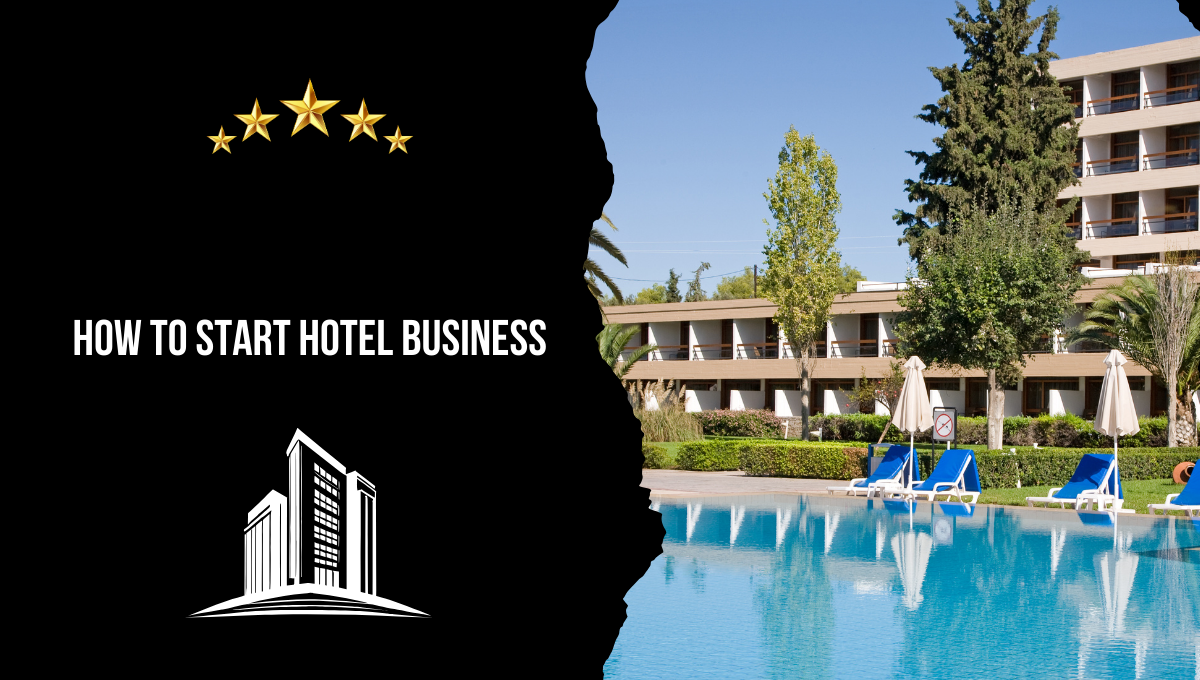
Starting a hotel is a big dream for many people in India. It offers a chance to welcome guests and create wonderful memories for them. If you are wondering how to start a hotel business, you are in the right place. This guide will give you a clear, step-by-step plan. We will cover everything from making a business plan to opening your doors to the first guest. With careful planning and hard work, you can turn your dream into a successful business.
Understanding the Indian Hotel Industry
The hotel industry in India is growing fast. More people are traveling for work and holidays. This means there is a big demand for good hotels. The market has many types of hotels, from simple guesthouses to fancy luxury resorts.
Before you start, it is important to know about the different kinds of hotels.
- Budget Hotels: These offer basic rooms at low prices. They are popular with backpackers and travelers who need a simple place to sleep.
- Boutique Hotels: These are smaller hotels, usually with 10 to 100 rooms. They have a unique style and offer a personal experience.
- Business Hotels: Located in city centers or near airports, these hotels serve business travelers. They have facilities like meeting rooms and fast internet.
- Resorts: These are often located in tourist spots like beaches or mountains. They offer many activities and are designed for relaxation and fun.
- Heritage Hotels: Old forts, palaces, and havelis are turned into hotels. They offer a unique cultural experience.
Think about which type of hotel you want to open. Your choice will affect your budget, location, and the kind of guests you attract.
How to Start a Hotel Business: Your Step-by-Step Plan
Building a hotel from scratch takes time and effort. Following a clear plan can make the process much smoother.
Step 1: Create a Solid Business Plan
A business plan is your roadmap to success. It helps you think through every part of your hotel business. It is also needed if you want to get a loan from a bank.
Your business plan should include:
- Executive Summary: A short overview of your entire plan.
- Company Description: Details about your hotel, its mission, and what makes it special.
- Market Analysis: Research on the hotel industry in your chosen area. Who are your competitors? What are they doing right and wrong?
- Services Offered: A list of all services you will provide, such as rooms, food, and other amenities.
- Management Plan: Who will run the hotel? What experience do they have?
- Marketing and Sales Strategy: How will you attract guests? This includes online marketing, advertising, and promotions.
- Financial Plan: This is a very important section. It should estimate your startup costs, daily operational costs, and how much money you expect to make.
Step 2: Arrange Your Finances
Starting a hotel requires a lot of money. You need to figure out your total startup cost. This includes the cost of land, construction, furniture, licenses, and initial marketing.
Here are some ways to get funding:
- Personal Savings: Using your own money shows you are serious about the business.
- Bank Loans: Many banks in India offer loans for new businesses. You will need a strong business plan to get approved.
- Investors: You can find partners or investors who are willing to put money into your business in return for a share of the profits.
- Government Schemes: The Indian government sometimes has schemes to support new businesses in the tourism sector. Check for programs like the Startup India initiative.
Step 3: Choose the Perfect Location
The location of your hotel is one of the most important factors for success. A good location can bring you a steady stream of guests.
Things to consider when choosing a location:
- Visibility and Accessibility: Is the location easy to find and reach by road, rail, or air?
- Target Audience: Choose a location that fits your target guests. For a business hotel, a spot near a corporate hub is good. For a resort, a scenic location is better.
- Competition: Look at other hotels nearby. Is there too much competition, or is there a gap in the market that you can fill?
- Local Attractions: Being near tourist spots, shopping areas, or restaurants can be a big advantage.
Step 4: Get All Necessary Licenses and Permits
Running a hotel in India requires many licenses. The rules can be complex, and it is important to follow them all to avoid legal trouble.
Some of the key licenses you will need are:
- Building Permit: Needed before you start construction.
- Hotel Project Approval: From the Ministry of Tourism.
- Business Registration: Registering your hotel as a company.
- FSSAI Food License: If you have a restaurant or serve food.
- Health/Trade License: From the local health department.
- Liquor License: If you plan to serve alcohol.
- Fire Safety Permit: To ensure your building is safe from fire hazards.
- GST Registration: For tax purposes.
This process can take time, so it is best to start early. You may want to hire a consultant to help you with the paperwork.
Step 5: Design, Construction, and Staffing
Once the legal work is in order, you can focus on building your hotel.
Designing Your Hotel
The design should match your hotel’s type and brand. A luxury hotel will have a different look and feel than a budget hotel. Think about the guest experience. The layout of the rooms, lobby, and other areas should be comfortable and practical.
Construction
Hire a reliable contractor to build your hotel. Make sure the construction follows all the building codes and safety standards.
Hiring Staff
Your staff will be the face of your hotel. Hire people who are friendly, helpful, and professional. You will need staff for different departments:
- Front Desk: To welcome guests and handle check-ins.
- Housekeeping: To keep the rooms and common areas clean.
- Kitchen and Restaurant: Chefs, waiters, and kitchen staff.
- Management: A hotel manager to oversee all operations.
- Maintenance: To fix any technical issues.
Provide good training to your staff so they can offer excellent service to your guests.
Step 6: Marketing and Grand Opening
Before you open, you need to create excitement and let people know about your new hotel.
- Create a Website: Your website is your online brochure. It should have beautiful photos, information about your rooms and services, and an easy-to-use booking system.
- Use Social Media: Create pages on platforms like Instagram and Facebook. Share updates, photos, and special offers.
- Partner with Online Travel Agencies (OTAs): List your hotel on sites like MakeMyTrip, Goibibo, and Booking.com. This will help you reach a wider audience.
- Plan a Grand Opening: Host an event for local media, travel agents, and potential guests to launch your hotel.
Conclusion: Building Your Dream Hotel
Knowing how to start a hotel business is the first step on an exciting journey. It requires a lot of planning, money, and hard work. By creating a strong business plan, securing your finances, choosing the right location, and getting all the necessary licenses, you set yourself up for success. Remember that great service is what makes guests return. Focus on creating a welcoming and comfortable experience, and your hotel business will thrive.
Frequently Asked Questions (FAQs)
1. How much money do I need to start a small hotel in India?
The cost can vary a lot based on location and size. A small budget hotel or guesthouse in a smaller city might cost between ₹50 lakhs and ₹2 crores. A larger or more upscale hotel in a major city can cost much more.
2. How long does it take to get all the hotel licenses in India?
The process can be long and complex. It can take anywhere from 6 months to over a year to get all the required licenses and permits, depending on the state and city.
3. Is it better to build a new hotel or buy an existing one?
Both options have pros and cons. Building a new hotel gives you full control over the design and brand, but it takes more time and money. Buying an existing hotel is faster, but you might need to spend money on renovations and rebranding.
4. How can I market my new hotel with a small budget?
Focus on digital marketing. Create a good website with a booking engine, use social media to connect with potential guests, and get listed on online travel agencies (OTAs). Encouraging happy guests to leave online reviews is also a powerful and free marketing tool.
5. What is the most important thing for a hotel’s success?
Excellent guest service is the most important factor. A clean room, a comfortable bed, and a good location are essential, but friendly and helpful staff who make guests feel valued will create loyal customers and positive reviews.

Are you dreaming of leaving the 9-to-5 grind? Many people today are looking for ways to earn money without leaving their house. Learning how to start a trading business from home is one of the most popular options. It offers freedom, potential for high income, and the comfort of working in your pajamas. However, it is not a get-rich-quick scheme. It requires serious planning, the right tools, and a calm mind. This guide will walk you through every step you need to take to build a successful trading career from your living room.
Why Start a Trading Business from Home?
Before we dive into the “how,” let’s talk about the “why.” Trading from home has huge benefits.
- Low Cost: You do not need to rent an office or buy expensive furniture.
- Flexibility: You choose your own hours. You can trade in the morning or at night.
- Be Your Own Boss: You answer to no one but yourself.
But remember, with great freedom comes great responsibility. You must be disciplined.
Step 1: Create a Solid Business Plan
Every successful business needs a plan. Trading is no different. Do not just open an account and start pressing buttons. You need a roadmap.
Your plan should answer these questions:
- What will you trade? Will you trade stocks, forex (currency), or cryptocurrencies?
- How much money do you have? This is your capital. Never trade with money you need for rent or food.
- What are your goals? Are you looking for extra pocket money or a full-time salary?
Treating this like a real business is the first secret to success. Most beginners fail because they treat it like a casino.
Step 2: Choose Your Market
When learning how to start a trading business from home, picking the right market is crucial. Here are the most common options:
Stock Market
This involves buying shares of companies. It is great for beginners because there is a lot of information available. You can trade Indian stocks (NSE/BSE) or US stocks.
Forex Market
This is the foreign exchange market. You trade currencies like the US Dollar against the Euro. It is open 24 hours a day, five days a week. This is good if you want flexible hours.
Commodities
This involves trading physical goods like gold, silver, or oil. Prices here can move very fast.
Crypto
This is digital money like Bitcoin. It is very risky but can offer high rewards.
Pro Tip: Do not try to master everything at once. Pick one market and learn it inside out.
Step 3: Get the Right Equipment
You do not need a fancy setup with six monitors like you see in movies. However, you do need reliable tools.
- A Good Computer: A laptop or desktop with decent speed is enough.
- Fast Internet: This is non-negotiable. A slow connection can cost you money if it cuts out during a trade.
- Backup Power: In case the electricity goes out, you need a UPS or a laptop with a good battery.
Step 4: Open a Demat and Trading Account
To trade, you need a broker. A broker is the middleman connecting you to the market. In India, for example, you need a Demat account to hold shares and a trading account to buy or sell them.
Look for a broker that offers:
- Low Fees: High brokerage charges will eat your profits.
- Good Support: You need someone to help if the system crashes.
- Easy Platform: The software should be easy to understand.
Important: Always choose a regulated broker. This keeps your money safe.
Step 5: Educate Yourself (The E-E-A-T Way)
Expertise is key. You cannot guess your way to profit. You must learn technical analysis and fundamental analysis.
- Technical Analysis: This means reading charts. You look at past price movements to guess where the price will go next. Learn about “candlesticks,” “support and resistance,” and “moving averages.”
- Fundamental Analysis: This involves looking at the real value of what you are trading. For stocks, this means reading company reports. For forex, it means following news about a country’s economy.
There are many free resources online. YouTube and trading blogs are great places to start.
Step 6: Develop a Trading Strategy
A strategy is a set of rules. It tells you exactly when to buy and when to sell. Without rules, you are gambling.
Here is a simple example of a rule:
“I will only buy a stock if the price goes above the 50-day average.”
Test Your Strategy: Before using real money, use a “demo account.” This lets you trade with fake money. Do this for at least one month. If you can make money in the demo account, you are ready for the real thing.
Step 7: Managing Risk and Money
This is the most important section in this article on how to start a trading business from home.
You will lose money on some trades. That is a fact. Even the best traders lose. The goal is to make sure your wins are bigger than your losses.
- The 1 Percent Rule: Never risk more than 1 or 2 percent of your total money on a single trade. If you have 100,000 rupees, do not risk losing more than 1,000 or 2,000 on one trade.
- Use Stop-Loss Orders: A stop-loss is an automatic command to sell if the price drops too much. It prevents a small loss from becoming a disaster.
Step 8: The Legal Stuff
Since you are running a business, you must follow the law.
- Register Your Business: Depending on where you live, you might need to register as a sole proprietorship.
- Pay Your Taxes: Trading income is taxable. Keep a record of every single trade. At the end of the year, you will need this for your tax return. Hiring a chartered accountant is a smart move.
Step 9: Psychology and Mindset
Trading is 20 percent skill and 80 percent psychology. It can be very stressful.
- Control Your Emotions: Do not trade when you are angry or sad.
- Avoid Revenge Trading: If you lose money, do not try to “win it back” immediately. Take a break.
- Stay Patient: You will not become a millionaire overnight. Slow and steady wins the race.
Common Mistakes to Avoid
When figuring out how to start a trading business from home, watch out for these traps:
- Overtrading: Buying and selling too much just because you are bored.
- Following Tips: Do not buy something just because a friend or a TV expert said so. Do your own research.
- Ignoring Fees: Brokerage fees, taxes, and data charges add up. Keep track of them.
Conclusion
Building a trading career is an exciting journey. It allows you to take control of your financial future. By following this guide on how to start a trading business from home, you are setting yourself up for success. Remember to start small, protect your capital, and never stop learning. Treat it with the respect of a serious profession, and the markets can reward you handsomely. Stay disciplined, stay patient, and happy trading!
FAQs
1. How much money do I need to start trading from home?
You can start with a very small amount, sometimes as low as $100 or 5,000 rupees. However, to make a living, you will eventually need a larger capital base. It is best to start small and grow your account slowly.
2. Can I trade on my phone?
Yes, most brokers have mobile apps. However, serious analysis is hard to do on a small screen. It is better to use a computer for analysis and use your phone only to check trades or close them in an emergency.
3. Is trading basically gambling?
No, not if you do it right. Gambling relies on luck. Trading relies on probability and analysis. If you trade without a plan or strategy, then it becomes gambling.
4. How long does it take to become profitable?
It varies for everyone. Some people learn in six months, while others take years. On average, expect to spend at least one year learning and practicing before you see consistent profits.
5. Do I need a finance degree to trade?
No. Many successful traders have no formal background in finance. You need to be willing to learn, have good discipline, and be able to control your emotions.
-

 BLOG2 years ago
Unlocking Opportunities: Top Small Business Ideas in Hyderabad
-

 BLOG2 years ago
Top Automotivе Businеss Idеas: Explorin’ Profitablе Vеnturеs in thе Auto Industry
-

 Business2 years ago
Hеartfеlt Bеst Wishеs for Nеw Businеssеs: Encouragеmеnt & Succеss Tips
-

 BLOG8 months ago
What is Traceloans.com Student Loans?
-

 BLOG1 year ago
Medicine Wholesale Business: An In-Depth Overview
-
BLOG1 year ago
Business Ideas in Tamilnadu: Profitable Options for Entrepreneurs
-

 BLOG1 year ago
Part Time Business Ideas in Tamil You Can Start from Home
-

 BLOG2 years ago
New Business Ideas in India: Exploring Prospects in a Vibrant Economy