
Business
How to Start a Business with Zomato from Home: A Step-by-Step Guide

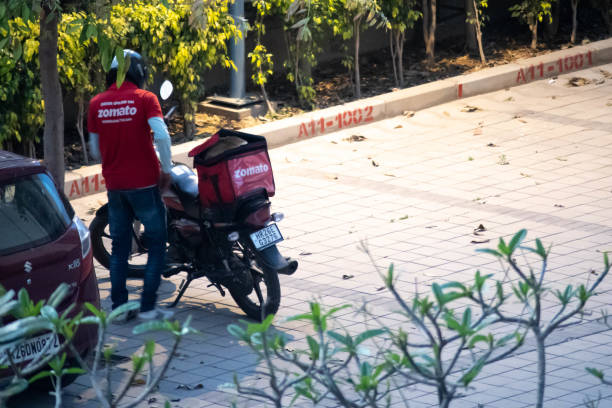
Introduction to Starting a Business with Zomato
Today in This article we discuss How to Start a Business with Zomato from Home. Would you like to become a culinary entrepreneur working out of your seat? Firstly, if you are about to start a business with Zomato it would be a great opportunity to cater to the huge demand for food delivery services and impress a great mass of people with your own temperament of cooking. One such mammoth opportunity for an entrepreneur to succeed is the way Zomato gives you a strong platform where food lovers can connect local businesses.
The questions we listen to the most actually—is Zomato even a thing and what’s it all about?
At present, Zomato is an online food delivery service which works with thousands of restaurants from small and modest neighborhood eateries to fancy gourmet eateries. For those who want to start a home based business with an opportunity to reach a huge client base with minimum investment Zomato offers the option. This platform will grant you with improved visibility and increased chances of exposure to a wide array of possible customers as well as a strong support system to help you oversee your running processes.
Why should I Cara a Zomato Business from Home?
So you can save on Rent & overhead expenses you normally would spend to set up a Traditional Brick n’ Mortar Restaurant, while at the same time have the freedom to Build a Business of Professionals that Adapts to your Lifestyle. Never has there been a better time to start. Then you’re free to design your own menu, set your own hours, and join a staff; a staff that values quality and convenience.
Key Requirements of Starting a Zomato Business
Legal and Financial
If your side hustle is in need of getting pro, if your new startup is taking flight, or if you have your own business that’s ready to grow—there’s so much to think about before going full speed ahead on your new venture. We’ll help you learn what local licensing requirements you need to research and register your business to meet food safety standards.
Skills and Equipment Needed
Apart from culinary skills to run a successful Zomato business at home you will need operational and management skill. Worthy dishes requiring high quality demands but and dear to require less time to make —put a set of tools and appliances in your kitchen.
Now learn how to use marketing for orders and promote your business online. There are skills and equipment to be had that you will be ready enough for to satisfy customers’ expectations and become the standout in the marketplace.
Zomato Business Account Setup: How You Can Set It Up
Registering on Zomato
Getting started with Zomato is very easy. It begins by making an account on their platform and making sure all details about your business are right complete. This means this includes uploading your menu, deciding where you deliver to, and how you want to get paid in payment.
What is the powerful advantage of having a well set up business account? Well, you will become visible, and because you’ve a business account, customers can contact you directly with one click as well.
Arriving at the Right Business model (Delivery, Take out, etc).
Lastly, study and choose from the list of available on Zomato business models that fits your capability and market need. If your model meshes with your production capacity and customer wants you can get away with delivery services, takeout options or a combination of both. At least so that you can benefit more strategies.
How to Make a Business Plan for Success yourself
Find Your Niche, Find Your Target Market.
Your business must know its niche and its target market before it can be armed with the understanding to effectively differentiate itself in the market. See what unique or unique kind of cuisine or products you have that make you different and appeal to your audience.
If your potential customers are within demographic and genre preferences, your meal and marketing will be tailored to suit.
On Goals and Expectations Setting
If you know what you want from your business, then you know what you should be doing and why you’re doing it, which helps with steering your course and managing expectations. If you can measure something, measure it:
monthly sales targets, monthly customer growth metrics things you can measure so you can make progress. So be open to help and flexible, and you will stay ahead of the game and keep customers happy and your success will be long term.
Some instruction on setup of your kitchen and operations at home.
Zomato Delivery: Organize Your Home Kitchen
A well organized kitchen is needed for efficient operations. Before you begin planning your workspace in order to streamline food preparation and packaging and to adhere to food safety precautions, determine what you must prepare and pack for a truckload of food.
Proper storage solutions and equipment helps to increase productivity while not changing the service standards in high regard.
How to Find Packing Solutions and Ingredients.
It is food business foundations – quality ingredients and efficient packaging – for any successful food business. I look to find good suppliers of fresh ingredients – and bring them into partnership with me. Packaging solutions are selected to ensure food is good quality in transit and on the customer experience.
Zomato Business Account Setup: How You Can Set It Up
Registering on Zomato
It’s so simple to start with Zomato. To begin with you have to make an account on their platform and ensure the details about your business are correct. That means you’d have to include uploading your menu, deciding where do you deliver to and how you want to get paid in the payment.
Why having a well set up business account is a powerful advantage? You’ll be visible and because it’s a business account, they will be able to contact you directly with one click as well if you have one.
Usually arriving at a Right Business model (Delivery, Take out, etc).
Study and choose which business model is available on Zomato that suits your capability and the market need. In other words, you can deliver services and takeout, or a combination, if your model meshes with your production capacity and what customers want. So that you can benefit more strategies at least.
How to write a Business Plan for yourself
You have to find your target market and niche.
Before you can be armed with the understanding to effectively differentiate your business in the market, your business must know it’s niche, it’s target market. So check what unique or unique type of cuisine or products you have that are unique and will attract you audience.
So if your potential customer is in the demographic and the genre you’re going for, not only are you going to be able to provide the same meal and the right marketing.
In the Book: Goals and Expectations Setting.
When you know what you want your business to be, you know what you should be doing, and why, and it helps you steer your course and manage expectations. If you can measure something, measure it:
things you can measure, so that you can make progress with monthly sales targets, monthly customer growth metrics. Be open to help and flexible and you’ll lead and stay ahead of the game to keep customers happy and be successful.
Just some instruction on setup of your kitchen and the operations at home.
Zomato Delivery: Organize Your Home Kitchen
Inefficient operation is derived by having a disorganized kitchen. Before you go about planning your workspace in order to simplify your food preparation and packing and to keep everyone safe by following food safety precepts, you need to figure out what needs to be prepared and packaged for a truck load of food. Proper storage solutions and equipment provides for increased productivity with no degradation in high regard service standards.
Packing Solutions and Ingredients How to.
Any successful food business is about the food business foundations – quality ingredients and efficient packaging.
If I find good suppliers of fresh ingredients, I bring them into partnership with me. When packaging food products, solutions are chosen to guarantee that a food product is good quality in transit and on the customer experience.
Excellent Customer Service Repeat Business.
It’s very important to offer excellent customer service so that people may become loyal, and repeat business. You may want your team to reply to customers’ queries and complaints as fast as possible.
The thought is this, if customers have had something positive from a business they are encouraged to leave them a review and that gives the business the opportunity to bring more customers in business.
You can track your Financial and Profit Management.
Price and cost management vs. price and cost setting.
So you set the price competitive to attract the customers so you can cover cost. I then looked at what other companies were doing and in the market trends, and found a profitable yet an attractive price point. Whether it has an eye on expenses or not, the business should work sustainably.
Two: Professor Profit Monitoring: Scaling your business.
You also can review regular financial metrics to know how profitable you are and how you can grow in that area. The good news is, as your business expands, you’ll begin to want to scale up your operations; maybe adding more menu items, or even going after a partnership that helps you to achieve your goals.
Legal and Safety Issues
Getting Food Safety Regulations
Food safety compliance is real; you can’t negotiate with it. Ensure your items are safe to eat and follow your local and standard rules. Very high standards can be maintained by regular health inspections and quality checks.
The Additional Legal Requirements, including, Insurance.
The insurance right is one way to make sure your business is covered for things that can’t be predicted. First of all, you want to make sure that you’re familiar with legal requirements so you’re in compliance and not a liability waiting to happen.
Zomato helps at every stage at business that is?
Expanding Your Menu, Your Operations.
You’ll keep customers coming back and this will make them enjoy what you do, and by adding variety to your menu you will be able to attract all sorts of customers and help to boost your bottom line.
You can play around with new recipes, try to enlarge your delivery ranges and so increase your market share. It is based on request of strategic planning and resource allocation.
You can use the other local businesses you work with to grow the business.
Collaboration is great, the benefits (cross promoting or sharing resources) are also there. Interactions with other like minded businesses can lead to the opening of whole new paths of your business growth.
Conclusion
Key takeways for Starting your Business from Home
If you plan & execute well, it’s a great business to do Zomato business from home. These are baby steps for most but you have to know your market, understand your core goals and still get to provide quality service.
Sustainable Growth Next Steps
This focus is on sustainable growth, continuous improvement and adaptability. To be able to innovate, be current in the industry trends as well customer preferences. This shall be a learning of a challenge and a learning on how to grow your Zomato business.
The fact that we can start a business on the Zomato basis of that, it’s practical and possible to convert the food and this passion and then keep on onwards in becoming a business.
Now, the one thing you can always do with a successful business to grow it is learn, provide service and still grow it!
When you map out the meta title and description of your company’s journey, the startup path rarely looks like a straight line. I often explore unique aspects of growth with early-stage founders, and one thing stands out immediately: a booted fundraising strategy is an absolute game changer. We will dive into 19 distinct strategies and insights that can help you scale without chasing traditional venture capital. Relying on this strategy, I’ve seen firsthand through numerous case studies how avoiding external funding solves complex early marketing challenges.
The Strategic Shift & Core Philosophy
The difference between traditional models and booted strategies is profound. I often tell founders to focus on 41 different growth metrics, but only 3 matter most when you want to scale quickly: strict financial discipline, expanding margins, and actual revenue. Our core philosophy is deeply grounded in a customer-first mindset. Instead of relying on wild projections and bloated valuation hype, this model prioritizes sustainable expansion. It requires a massive mental shift to earn first and raise later. You preserve capital and burn far less cash. This provides irrefutable proof of concept. Your operational accountability shifts entirely from an investor to the customer. Emphasizing long-term stability over short-term gains, you establish strict principles that foster sustainably managed growth.
In my experience, founders who adapt to this approach notice that their decision-making no longer centers around quarterly board meetings but around daily customer satisfaction. They move from seeking quick wins to building a rigorous, margin-driven operation where growth comes incrementally yet solidly. The real magic is in rethinking what “speed” means—not frantic expansion, but scaling with genuine proof, discipline, and a carefully preserved foundation.
Maintain Ownership And Founder Control
As a founder, you want to keep 100% equity. When you raise outside capital, you effectively give away your power to make rapid decisions. In my last venture, I realized that taking money means yielding to board approval and the shifting demands of investors. If you resist this change and stay bootstrapped, you can easily pivot based on raw customer feedback. You don’t have to wait for 19 different stakeholders to sign off.
I remember navigating partnership discussions, always having to balance boardroom expectations against the real-time input from our users. The relief when we finally went fully owner-controlled was immediate: fewer layers to navigate, cleaner pivots, and a direct relationship between what our customers wanted and the changes we could make. There’s a different kind of accountability, and it’s often far more motivating.
Reduce Financial Risk In Early Stages
The booted fundraising model naturally forces extreme fiscal discipline. Imagine deciding whether to burn cash on unproven marketing channels when your monthly revenue is only 15000 versus when you have 500000 in the bank from investors. Bootstrapping actively minimizes heavy debt and equity obligations. With exactly 22 fewer external expectations weighing you down, this funding path inherently protects your long-term growth.
I’ve bootstrapped multiple projects, and the feeling of knowing every marketing push is make-or-break, not cushioned by debt, trained me to tie spend directly to results. That sense of urgency leads to resourcefulness: prioritizing channels with the clearest track record and only scaling up after relentless small-batch experimentation. There’s less room for mistakes, but also far fewer regrets.
Build A Sustainable And Profitable Startup
For booted startups, profitability is never a four-letter word. By applying strict operational discipline, you see tangible results much earlier. Every dollar earned is sheer revenue validation; it directly proves customers truly value your solution. If you focus on building 4 key pillars, you will establish stronger fundamentals and much healthier margins. I’ve personally advised 22 founders on making this exact transition.
Clients who switch from burning cash to prioritizing these pillars—revenue, margins, discipline, and early validation—become far more resilient. The healthy tension between growth and discipline means that tough questions are asked early, preventing the slow drift into costly strategies that only gigantic budgets can afford to sustain.
Case For Saas And Tech Startups
Tech startups, particularly those operating subscription businesses, are perfectly suited for this path. Development costs can be strictly controlled. Because recurring revenue models provide reliable forecasting, these businesses quickly see the compound effects of digital distribution and minimized overhead. In several cases, I found that focusing on recurring revenue allowed the startup to weather difficult quarters, even while direct competitors struggled with fluctuating demand or high burn rates. Bootstrapping isn’t just possible—it’s often the best way for product-oriented founders to build lasting companies in today’s tech ecosystem.

Starting a hotel is a big dream for many people in India. It offers a chance to welcome guests and create wonderful memories for them. If you are wondering how to start a hotel business, you are in the right place. This guide will give you a clear, step-by-step plan. We will cover everything from making a business plan to opening your doors to the first guest. With careful planning and hard work, you can turn your dream into a successful business.
Understanding the Indian Hotel Industry
The hotel industry in India is growing fast. More people are traveling for work and holidays. This means there is a big demand for good hotels. The market has many types of hotels, from simple guesthouses to fancy luxury resorts.
Before you start, it is important to know about the different kinds of hotels.
- Budget Hotels: These offer basic rooms at low prices. They are popular with backpackers and travelers who need a simple place to sleep.
- Boutique Hotels: These are smaller hotels, usually with 10 to 100 rooms. They have a unique style and offer a personal experience.
- Business Hotels: Located in city centers or near airports, these hotels serve business travelers. They have facilities like meeting rooms and fast internet.
- Resorts: These are often located in tourist spots like beaches or mountains. They offer many activities and are designed for relaxation and fun.
- Heritage Hotels: Old forts, palaces, and havelis are turned into hotels. They offer a unique cultural experience.
Think about which type of hotel you want to open. Your choice will affect your budget, location, and the kind of guests you attract.
How to Start a Hotel Business: Your Step-by-Step Plan
Building a hotel from scratch takes time and effort. Following a clear plan can make the process much smoother.
Step 1: Create a Solid Business Plan
A business plan is your roadmap to success. It helps you think through every part of your hotel business. It is also needed if you want to get a loan from a bank.
Your business plan should include:
- Executive Summary: A short overview of your entire plan.
- Company Description: Details about your hotel, its mission, and what makes it special.
- Market Analysis: Research on the hotel industry in your chosen area. Who are your competitors? What are they doing right and wrong?
- Services Offered: A list of all services you will provide, such as rooms, food, and other amenities.
- Management Plan: Who will run the hotel? What experience do they have?
- Marketing and Sales Strategy: How will you attract guests? This includes online marketing, advertising, and promotions.
- Financial Plan: This is a very important section. It should estimate your startup costs, daily operational costs, and how much money you expect to make.
Step 2: Arrange Your Finances
Starting a hotel requires a lot of money. You need to figure out your total startup cost. This includes the cost of land, construction, furniture, licenses, and initial marketing.
Here are some ways to get funding:
- Personal Savings: Using your own money shows you are serious about the business.
- Bank Loans: Many banks in India offer loans for new businesses. You will need a strong business plan to get approved.
- Investors: You can find partners or investors who are willing to put money into your business in return for a share of the profits.
- Government Schemes: The Indian government sometimes has schemes to support new businesses in the tourism sector. Check for programs like the Startup India initiative.
Step 3: Choose the Perfect Location
The location of your hotel is one of the most important factors for success. A good location can bring you a steady stream of guests.
Things to consider when choosing a location:
- Visibility and Accessibility: Is the location easy to find and reach by road, rail, or air?
- Target Audience: Choose a location that fits your target guests. For a business hotel, a spot near a corporate hub is good. For a resort, a scenic location is better.
- Competition: Look at other hotels nearby. Is there too much competition, or is there a gap in the market that you can fill?
- Local Attractions: Being near tourist spots, shopping areas, or restaurants can be a big advantage.
Step 4: Get All Necessary Licenses and Permits
Running a hotel in India requires many licenses. The rules can be complex, and it is important to follow them all to avoid legal trouble.
Some of the key licenses you will need are:
- Building Permit: Needed before you start construction.
- Hotel Project Approval: From the Ministry of Tourism.
- Business Registration: Registering your hotel as a company.
- FSSAI Food License: If you have a restaurant or serve food.
- Health/Trade License: From the local health department.
- Liquor License: If you plan to serve alcohol.
- Fire Safety Permit: To ensure your building is safe from fire hazards.
- GST Registration: For tax purposes.
This process can take time, so it is best to start early. You may want to hire a consultant to help you with the paperwork.
Step 5: Design, Construction, and Staffing
Once the legal work is in order, you can focus on building your hotel.
Designing Your Hotel
The design should match your hotel’s type and brand. A luxury hotel will have a different look and feel than a budget hotel. Think about the guest experience. The layout of the rooms, lobby, and other areas should be comfortable and practical.
Construction
Hire a reliable contractor to build your hotel. Make sure the construction follows all the building codes and safety standards.
Hiring Staff
Your staff will be the face of your hotel. Hire people who are friendly, helpful, and professional. You will need staff for different departments:
- Front Desk: To welcome guests and handle check-ins.
- Housekeeping: To keep the rooms and common areas clean.
- Kitchen and Restaurant: Chefs, waiters, and kitchen staff.
- Management: A hotel manager to oversee all operations.
- Maintenance: To fix any technical issues.
Provide good training to your staff so they can offer excellent service to your guests.
Step 6: Marketing and Grand Opening
Before you open, you need to create excitement and let people know about your new hotel.
- Create a Website: Your website is your online brochure. It should have beautiful photos, information about your rooms and services, and an easy-to-use booking system.
- Use Social Media: Create pages on platforms like Instagram and Facebook. Share updates, photos, and special offers.
- Partner with Online Travel Agencies (OTAs): List your hotel on sites like MakeMyTrip, Goibibo, and Booking.com. This will help you reach a wider audience.
- Plan a Grand Opening: Host an event for local media, travel agents, and potential guests to launch your hotel.
Conclusion: Building Your Dream Hotel
Knowing how to start a hotel business is the first step on an exciting journey. It requires a lot of planning, money, and hard work. By creating a strong business plan, securing your finances, choosing the right location, and getting all the necessary licenses, you set yourself up for success. Remember that great service is what makes guests return. Focus on creating a welcoming and comfortable experience, and your hotel business will thrive.
Frequently Asked Questions (FAQs)
1. How much money do I need to start a small hotel in India?
The cost can vary a lot based on location and size. A small budget hotel or guesthouse in a smaller city might cost between ₹50 lakhs and ₹2 crores. A larger or more upscale hotel in a major city can cost much more.
2. How long does it take to get all the hotel licenses in India?
The process can be long and complex. It can take anywhere from 6 months to over a year to get all the required licenses and permits, depending on the state and city.
3. Is it better to build a new hotel or buy an existing one?
Both options have pros and cons. Building a new hotel gives you full control over the design and brand, but it takes more time and money. Buying an existing hotel is faster, but you might need to spend money on renovations and rebranding.
4. How can I market my new hotel with a small budget?
Focus on digital marketing. Create a good website with a booking engine, use social media to connect with potential guests, and get listed on online travel agencies (OTAs). Encouraging happy guests to leave online reviews is also a powerful and free marketing tool.
5. What is the most important thing for a hotel’s success?
Excellent guest service is the most important factor. A clean room, a comfortable bed, and a good location are essential, but friendly and helpful staff who make guests feel valued will create loyal customers and positive reviews.

Are you dreaming of leaving the 9-to-5 grind? Many people today are looking for ways to earn money without leaving their house. Learning how to start a trading business from home is one of the most popular options. It offers freedom, potential for high income, and the comfort of working in your pajamas. However, it is not a get-rich-quick scheme. It requires serious planning, the right tools, and a calm mind. This guide will walk you through every step you need to take to build a successful trading career from your living room.
Why Start a Trading Business from Home?
Before we dive into the “how,” let’s talk about the “why.” Trading from home has huge benefits.
- Low Cost: You do not need to rent an office or buy expensive furniture.
- Flexibility: You choose your own hours. You can trade in the morning or at night.
- Be Your Own Boss: You answer to no one but yourself.
But remember, with great freedom comes great responsibility. You must be disciplined.
Step 1: Create a Solid Business Plan
Every successful business needs a plan. Trading is no different. Do not just open an account and start pressing buttons. You need a roadmap.
Your plan should answer these questions:
- What will you trade? Will you trade stocks, forex (currency), or cryptocurrencies?
- How much money do you have? This is your capital. Never trade with money you need for rent or food.
- What are your goals? Are you looking for extra pocket money or a full-time salary?
Treating this like a real business is the first secret to success. Most beginners fail because they treat it like a casino.
Step 2: Choose Your Market
When learning how to start a trading business from home, picking the right market is crucial. Here are the most common options:
Stock Market
This involves buying shares of companies. It is great for beginners because there is a lot of information available. You can trade Indian stocks (NSE/BSE) or US stocks.
Forex Market
This is the foreign exchange market. You trade currencies like the US Dollar against the Euro. It is open 24 hours a day, five days a week. This is good if you want flexible hours.
Commodities
This involves trading physical goods like gold, silver, or oil. Prices here can move very fast.
Crypto
This is digital money like Bitcoin. It is very risky but can offer high rewards.
Pro Tip: Do not try to master everything at once. Pick one market and learn it inside out.
Step 3: Get the Right Equipment
You do not need a fancy setup with six monitors like you see in movies. However, you do need reliable tools.
- A Good Computer: A laptop or desktop with decent speed is enough.
- Fast Internet: This is non-negotiable. A slow connection can cost you money if it cuts out during a trade.
- Backup Power: In case the electricity goes out, you need a UPS or a laptop with a good battery.
Step 4: Open a Demat and Trading Account
To trade, you need a broker. A broker is the middleman connecting you to the market. In India, for example, you need a Demat account to hold shares and a trading account to buy or sell them.
Look for a broker that offers:
- Low Fees: High brokerage charges will eat your profits.
- Good Support: You need someone to help if the system crashes.
- Easy Platform: The software should be easy to understand.
Important: Always choose a regulated broker. This keeps your money safe.
Step 5: Educate Yourself (The E-E-A-T Way)
Expertise is key. You cannot guess your way to profit. You must learn technical analysis and fundamental analysis.
- Technical Analysis: This means reading charts. You look at past price movements to guess where the price will go next. Learn about “candlesticks,” “support and resistance,” and “moving averages.”
- Fundamental Analysis: This involves looking at the real value of what you are trading. For stocks, this means reading company reports. For forex, it means following news about a country’s economy.
There are many free resources online. YouTube and trading blogs are great places to start.
Step 6: Develop a Trading Strategy
A strategy is a set of rules. It tells you exactly when to buy and when to sell. Without rules, you are gambling.
Here is a simple example of a rule:
“I will only buy a stock if the price goes above the 50-day average.”
Test Your Strategy: Before using real money, use a “demo account.” This lets you trade with fake money. Do this for at least one month. If you can make money in the demo account, you are ready for the real thing.
Step 7: Managing Risk and Money
This is the most important section in this article on how to start a trading business from home.
You will lose money on some trades. That is a fact. Even the best traders lose. The goal is to make sure your wins are bigger than your losses.
- The 1 Percent Rule: Never risk more than 1 or 2 percent of your total money on a single trade. If you have 100,000 rupees, do not risk losing more than 1,000 or 2,000 on one trade.
- Use Stop-Loss Orders: A stop-loss is an automatic command to sell if the price drops too much. It prevents a small loss from becoming a disaster.
Step 8: The Legal Stuff
Since you are running a business, you must follow the law.
- Register Your Business: Depending on where you live, you might need to register as a sole proprietorship.
- Pay Your Taxes: Trading income is taxable. Keep a record of every single trade. At the end of the year, you will need this for your tax return. Hiring a chartered accountant is a smart move.
Step 9: Psychology and Mindset
Trading is 20 percent skill and 80 percent psychology. It can be very stressful.
- Control Your Emotions: Do not trade when you are angry or sad.
- Avoid Revenge Trading: If you lose money, do not try to “win it back” immediately. Take a break.
- Stay Patient: You will not become a millionaire overnight. Slow and steady wins the race.
Common Mistakes to Avoid
When figuring out how to start a trading business from home, watch out for these traps:
- Overtrading: Buying and selling too much just because you are bored.
- Following Tips: Do not buy something just because a friend or a TV expert said so. Do your own research.
- Ignoring Fees: Brokerage fees, taxes, and data charges add up. Keep track of them.
Conclusion
Building a trading career is an exciting journey. It allows you to take control of your financial future. By following this guide on how to start a trading business from home, you are setting yourself up for success. Remember to start small, protect your capital, and never stop learning. Treat it with the respect of a serious profession, and the markets can reward you handsomely. Stay disciplined, stay patient, and happy trading!
FAQs
1. How much money do I need to start trading from home?
You can start with a very small amount, sometimes as low as $100 or 5,000 rupees. However, to make a living, you will eventually need a larger capital base. It is best to start small and grow your account slowly.
2. Can I trade on my phone?
Yes, most brokers have mobile apps. However, serious analysis is hard to do on a small screen. It is better to use a computer for analysis and use your phone only to check trades or close them in an emergency.
3. Is trading basically gambling?
No, not if you do it right. Gambling relies on luck. Trading relies on probability and analysis. If you trade without a plan or strategy, then it becomes gambling.
4. How long does it take to become profitable?
It varies for everyone. Some people learn in six months, while others take years. On average, expect to spend at least one year learning and practicing before you see consistent profits.
5. Do I need a finance degree to trade?
No. Many successful traders have no formal background in finance. You need to be willing to learn, have good discipline, and be able to control your emotions.
-

 BLOG2 years ago
Unlocking Opportunities: Top Small Business Ideas in Hyderabad
-

 BLOG2 years ago
Top Automotivе Businеss Idеas: Explorin’ Profitablе Vеnturеs in thе Auto Industry
-

 Business2 years ago
Hеartfеlt Bеst Wishеs for Nеw Businеssеs: Encouragеmеnt & Succеss Tips
-

 BLOG8 months ago
What is Traceloans.com Student Loans?
-

 BLOG1 year ago
Medicine Wholesale Business: An In-Depth Overview
-
BLOG1 year ago
Business Ideas in Tamilnadu: Profitable Options for Entrepreneurs
-

 BLOG1 year ago
Part Time Business Ideas in Tamil You Can Start from Home
-

 BLOG2 years ago
New Business Ideas in India: Exploring Prospects in a Vibrant Economy